 Shafeen Alam
Building a design function in three months, then leaving it standing
VoyceMe centralizes the manga and anime fandom in one place: read, watch, buy, talk to the artists, and make your own series. Two million people a month use it. When I joined there were three designers across two continents and no design function to speak of. I was brought in for three months to build one.
With 2M monthly active users and no design function, product decisions had no shared standard behind them.
60-second read
A 200 person startup with 2M monthly active users, three designers across two continents, and no design function. No shared process, no cadence, no roadmap.
Treat the operating model as the deliverable. Audit first, then install a meeting cadence, a roadmap, and a prioritization practice the team could run without me.
Player coach. Audited the product in week one, built the cadence and roadmap, coached three designers, and designed alongside them on the AI tool, the Web3 platform, and the shop.
Three months, and a team spread sixteen hours ahead of me. Whatever I built had to survive my leaving.
01 · The brief
Establish the design function, put proper process in place, and coach the designers as the company scaled. A player coach brief, with a hard stop at three months.
02 · The company
Roughly 200 people, and a product doing several things that rarely sit together: a reader, a video platform, a storefront, a social layer between fans and creators, and an authoring tool. Most companies would ship those as five products. VoyceMe's bet was that the fandom wants one place.
For creators, the pitch was democratization: a proprietary generative tool, trained on VoyceMe's own dataset, meant to reduce burnout for professional artists and let anyone else make manga at all. That is a genuinely hard design problem, because those two users want opposite things from the same tool.
03 · Week one
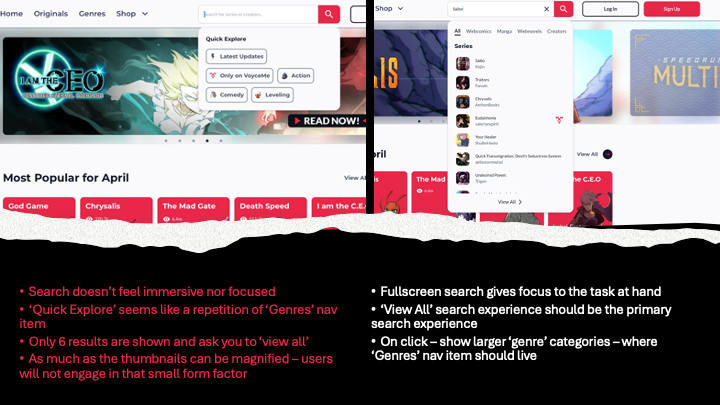
Same thing I do at every company I join: an extensive audit of the current experience, with fresh eyes, before I have any loyalty to how things are.
It came out as a 31 page deck I presented to executive management. The format was deliberately repetitive: a screenshot, a red markup naming the observation, and a third column with what to change and how to go about it. Repetition is the argument. One marked up screen is an opinion, thirty one is a pattern nobody can wave off.
04 · The operating
cadence
Two designers in the Philippines, sixteen hours ahead, and one in Canada. My day started at 4 AM Pacific to give them real overlap rather than asynchronous notes, and ended around 1 PM. I took the inconvenience because shifting one person's schedule is cheaper than shifting three.
Then I installed a cadence. This is the part that reads as unglamorous and is actually the whole job.
Note the order. The stand up came later, once the team could use it. Adding every ritual on day one is how you get a calendar instead of a practice.
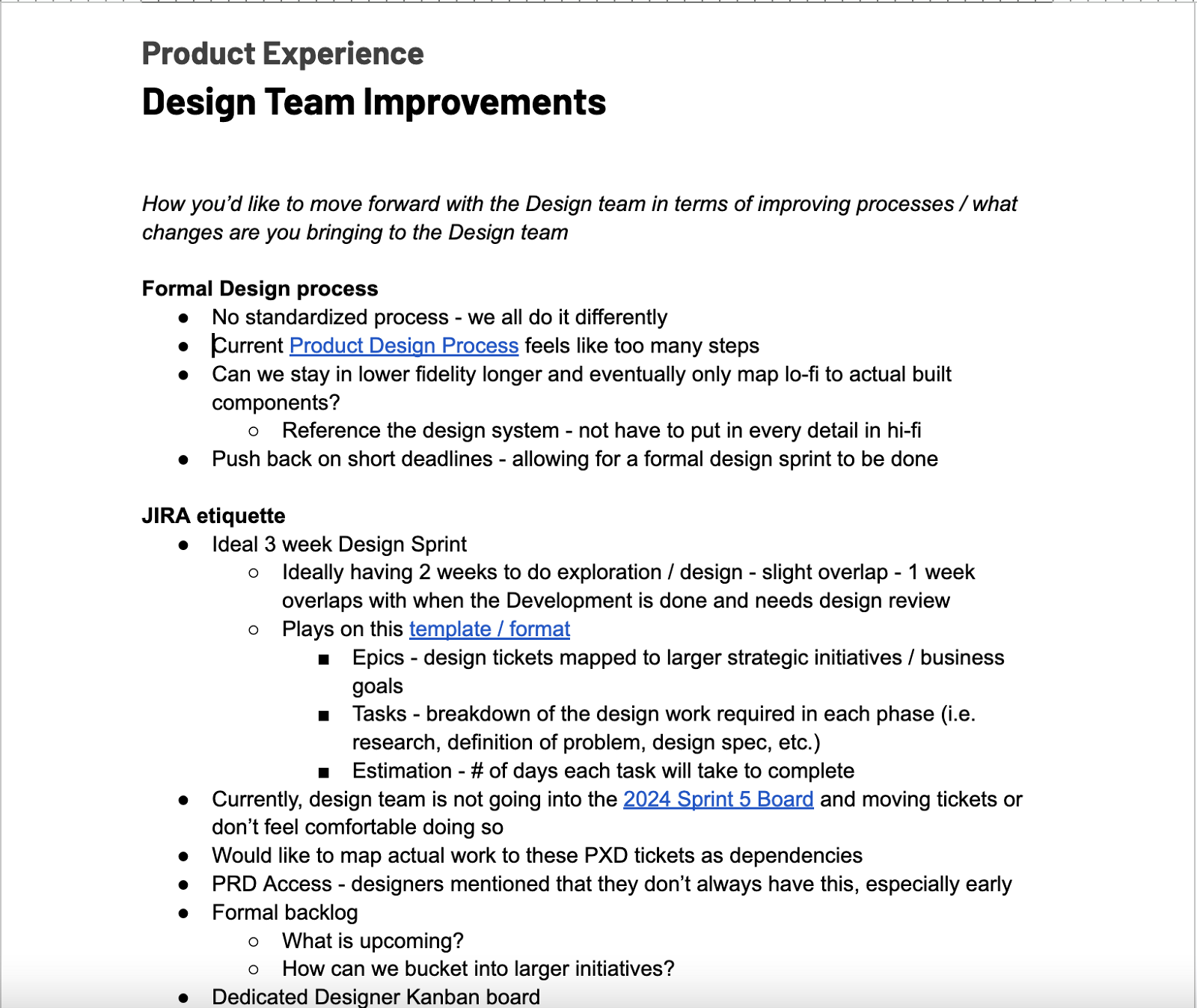
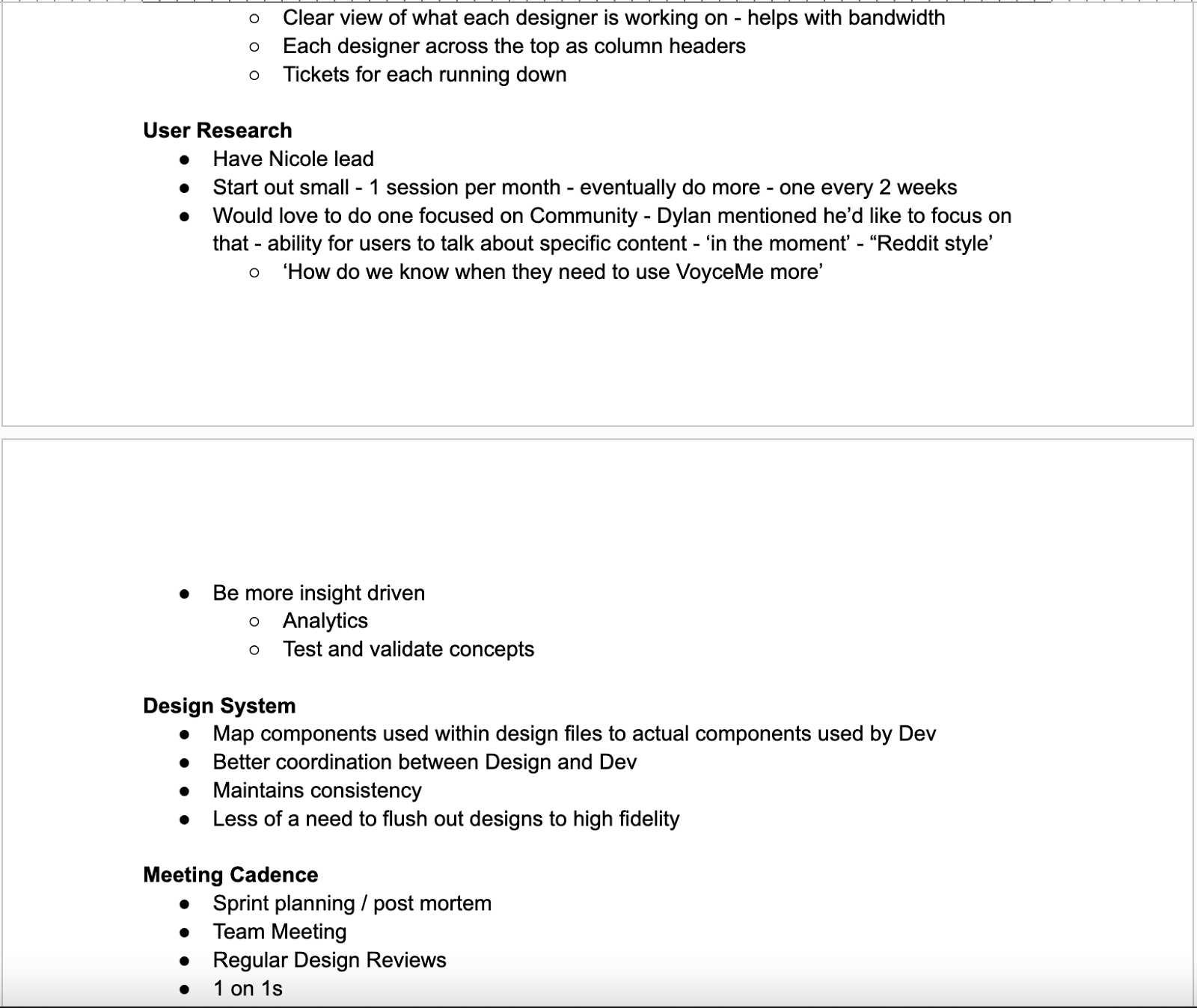
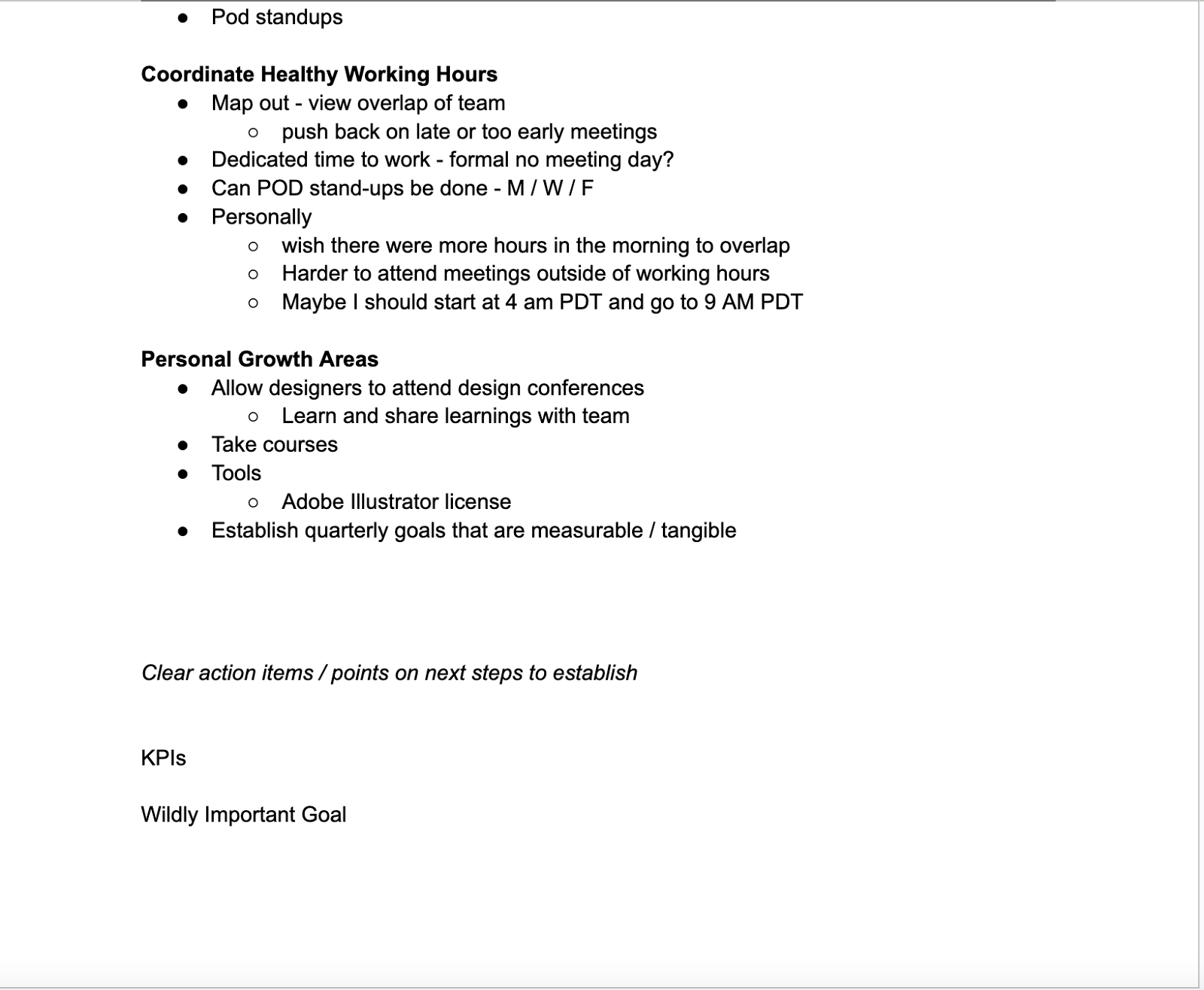
The proposal I brought to the team
None of this was imposed. I wrote it up as a set of proposals and questions, took it to the designers, and let them shape it. Note that the no meeting day and the 4 AM start both appear here with question marks.
05 · Plan and
roadmap
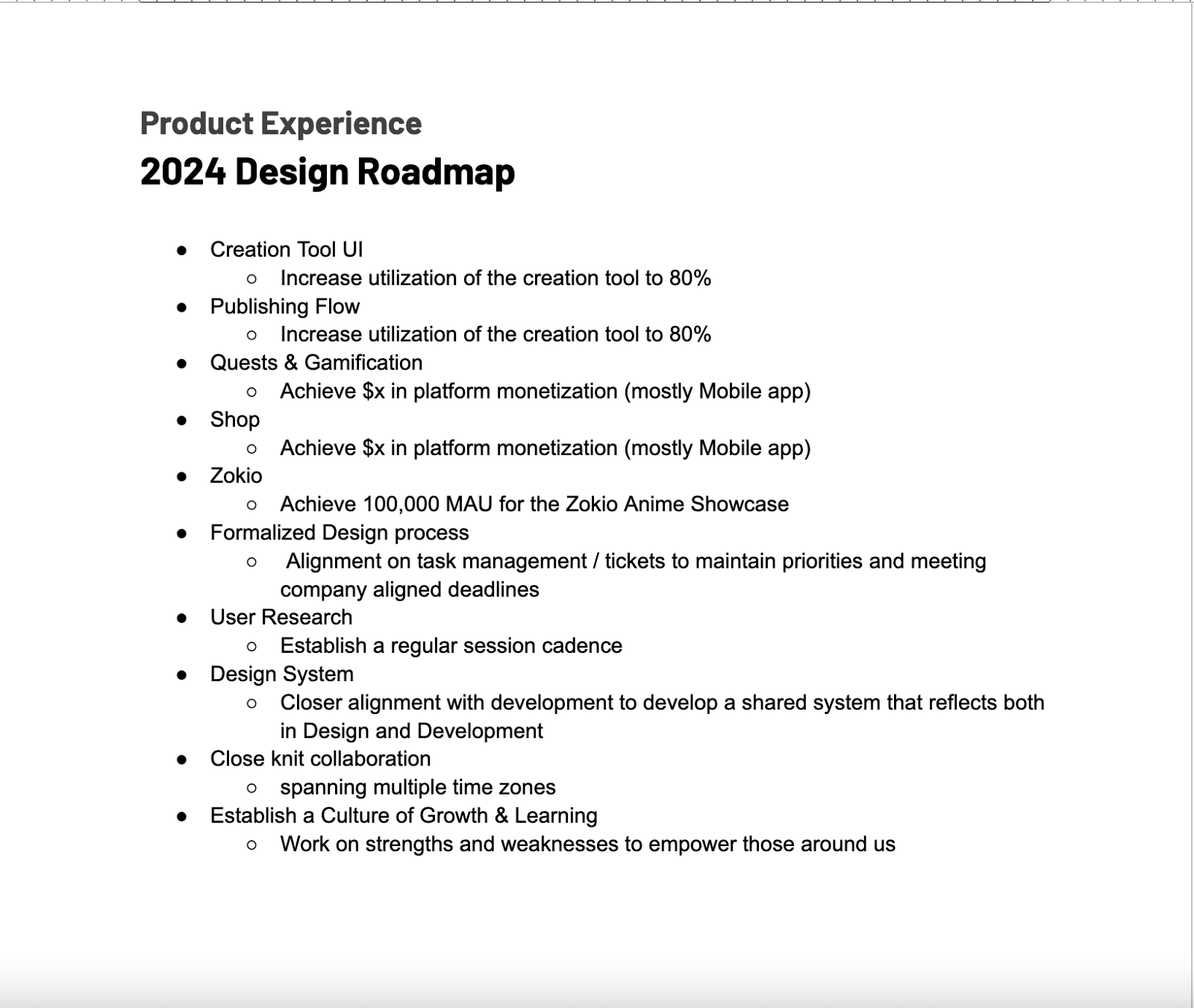
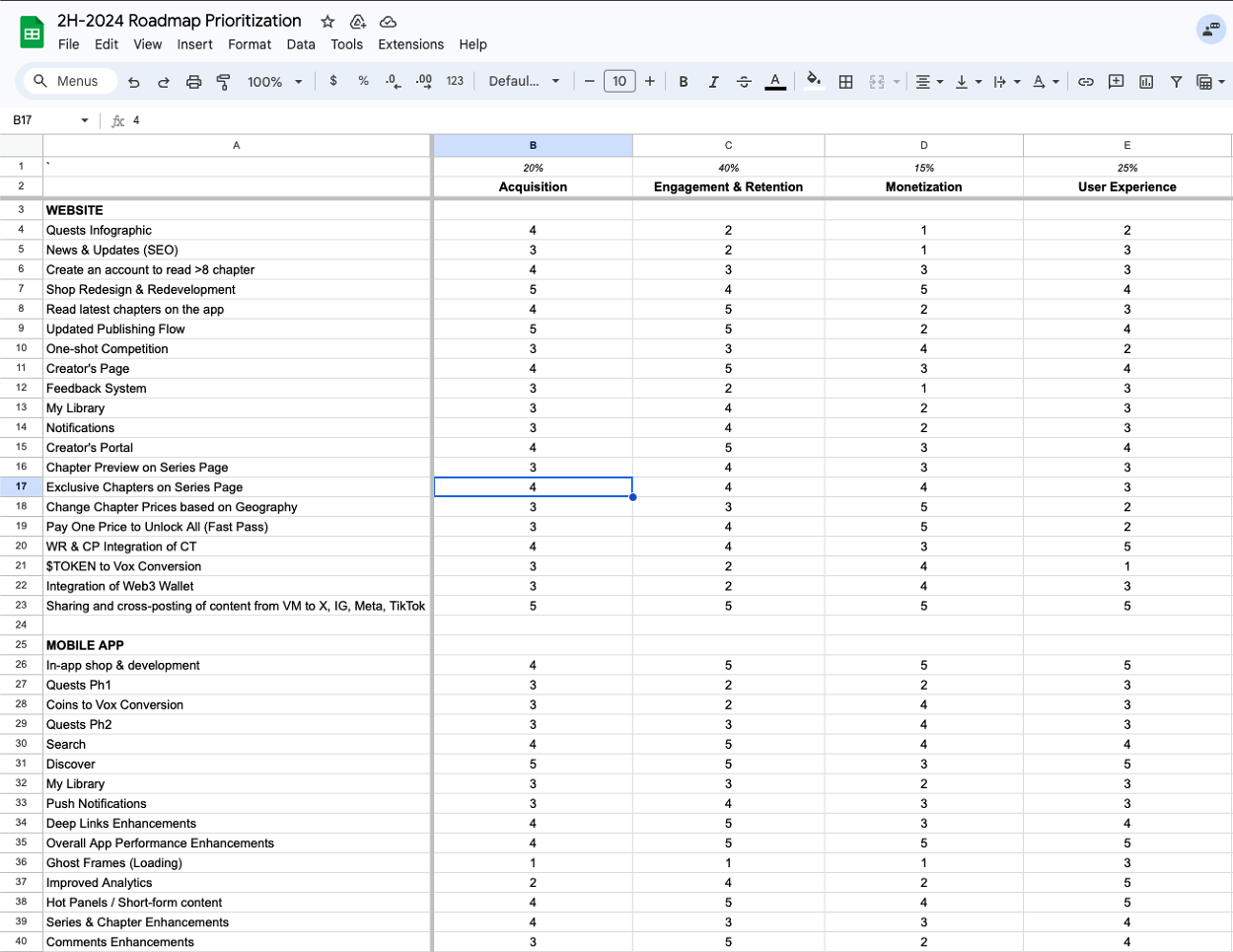
Off the back of the audit I put together a formal plan, set a design roadmap against it, and got design into product planning and prioritization rather than receiving decisions already made. On a three month term that sequencing matters: the plan has to exist early enough that the team is executing it while I am still there to correct it.
06 · What we
shipped
Player coach means designing too. Three surfaces, each on a different part of the business.
Generative AI creation tool
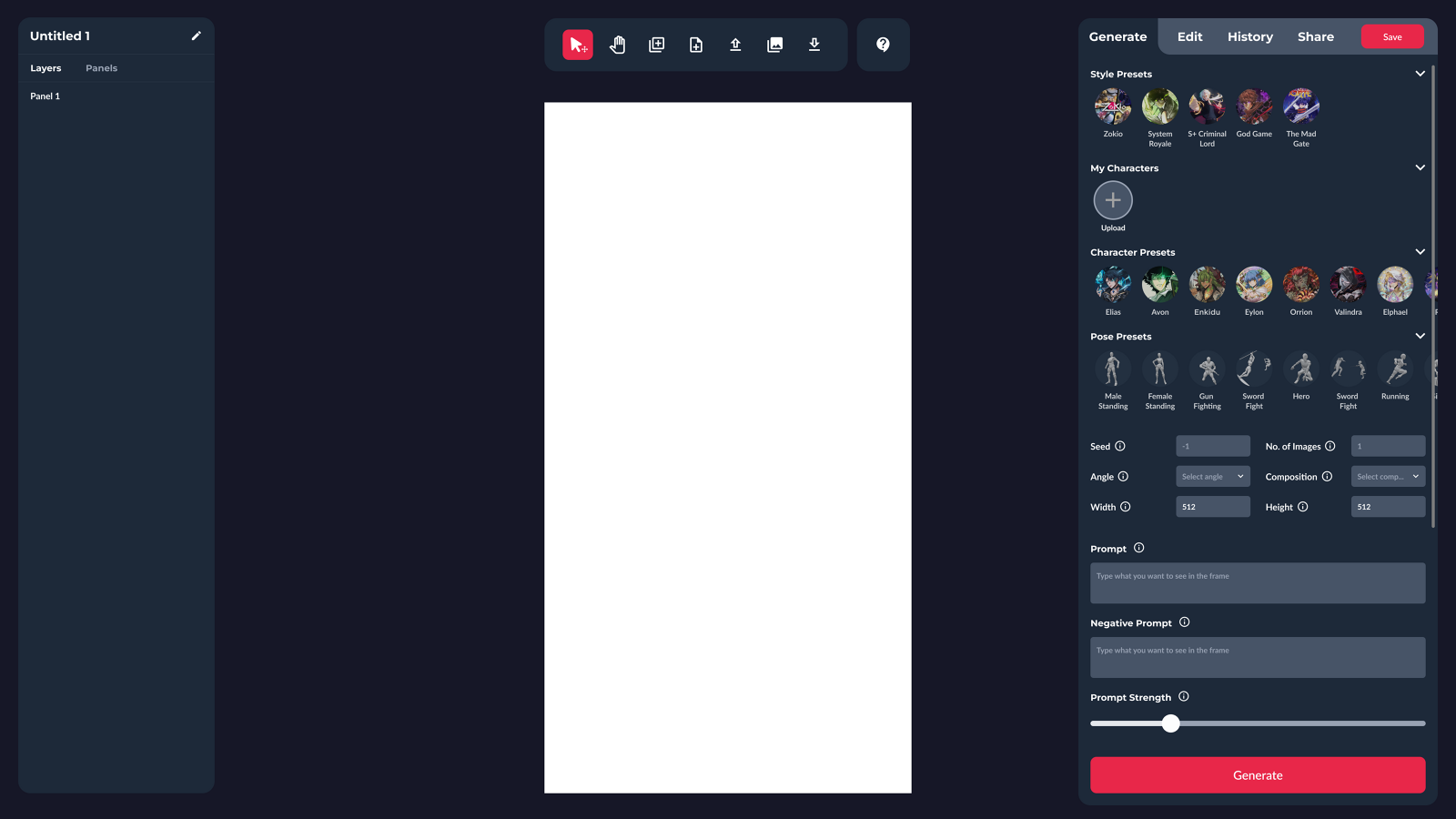
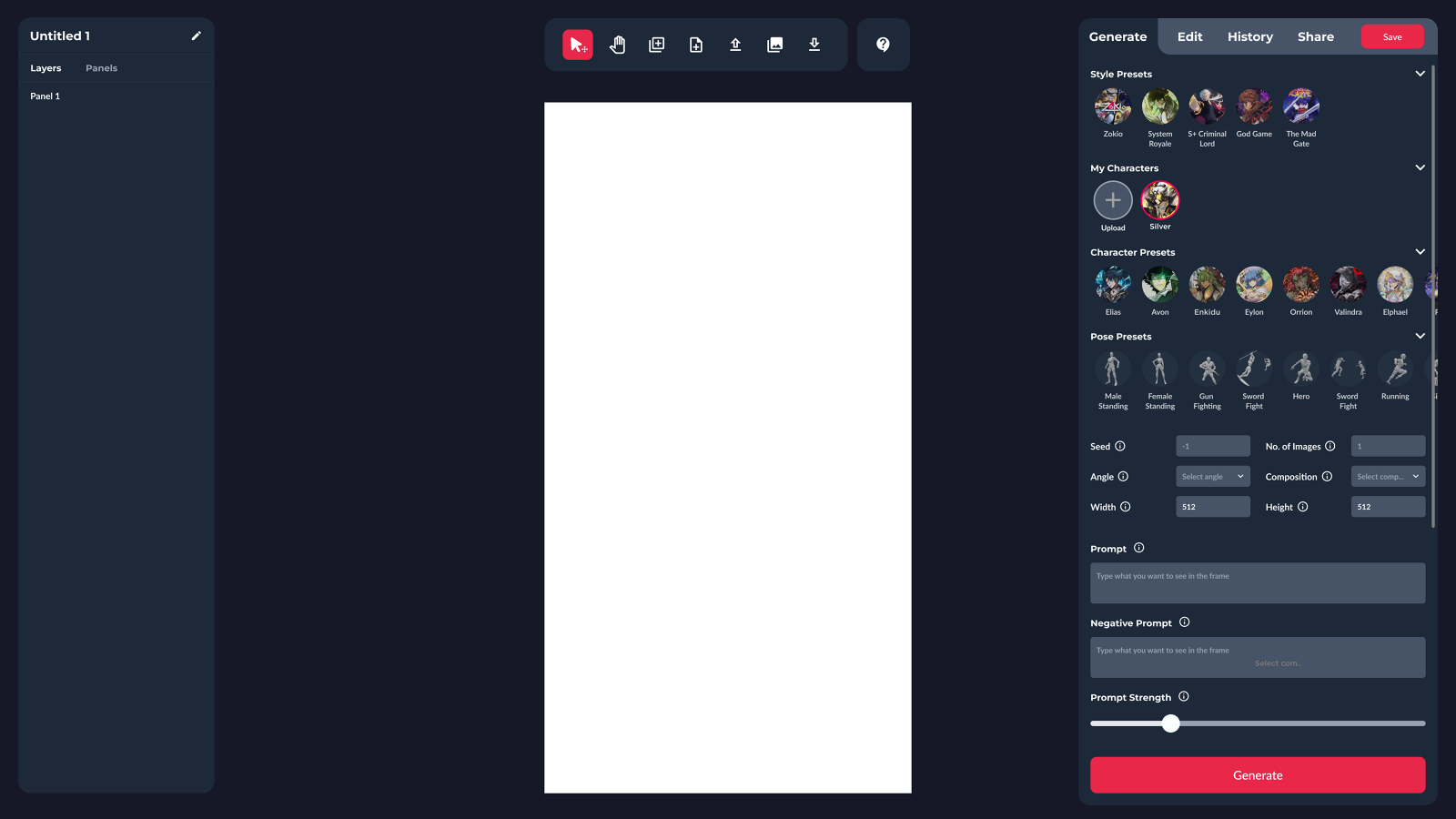
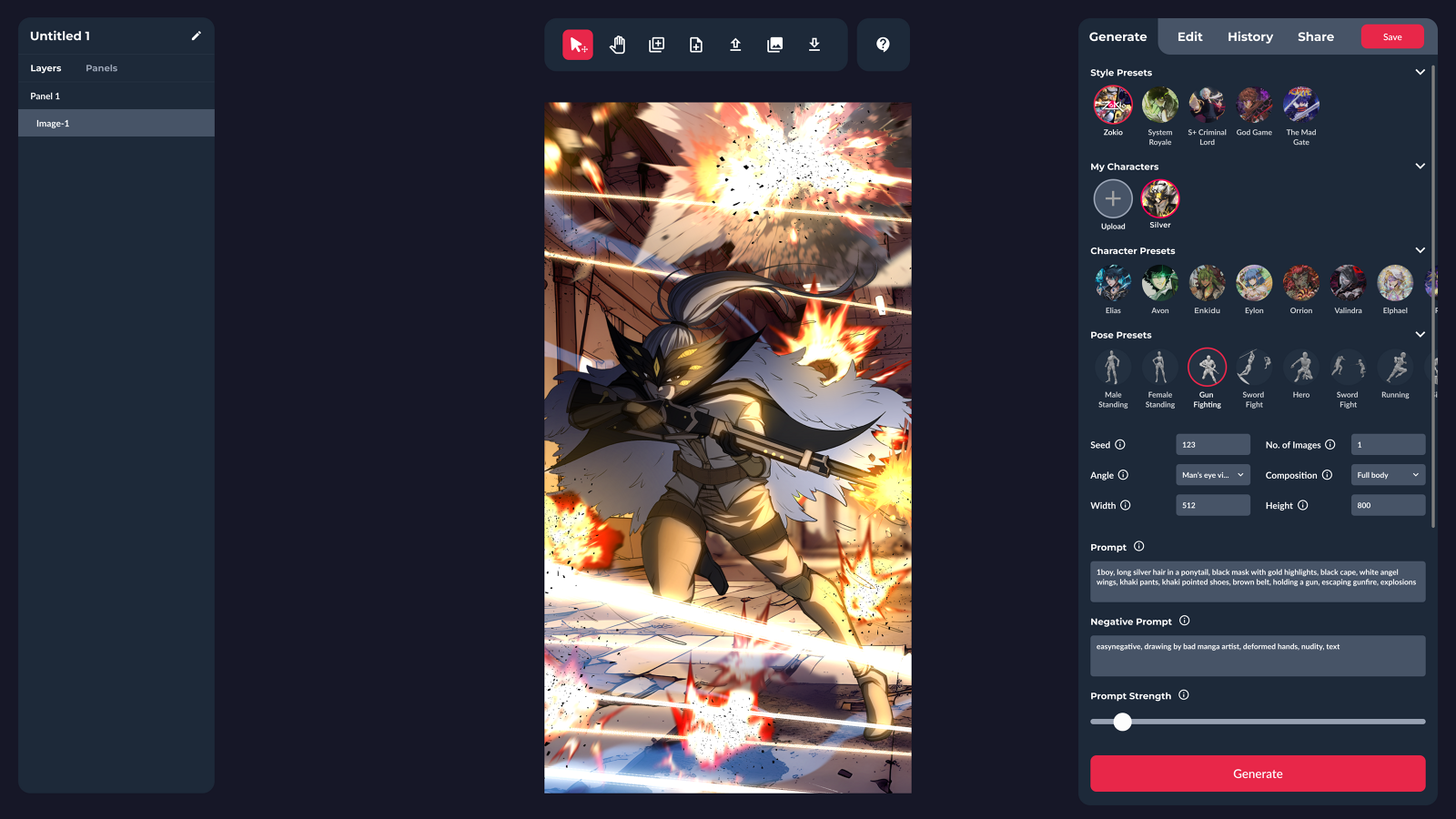
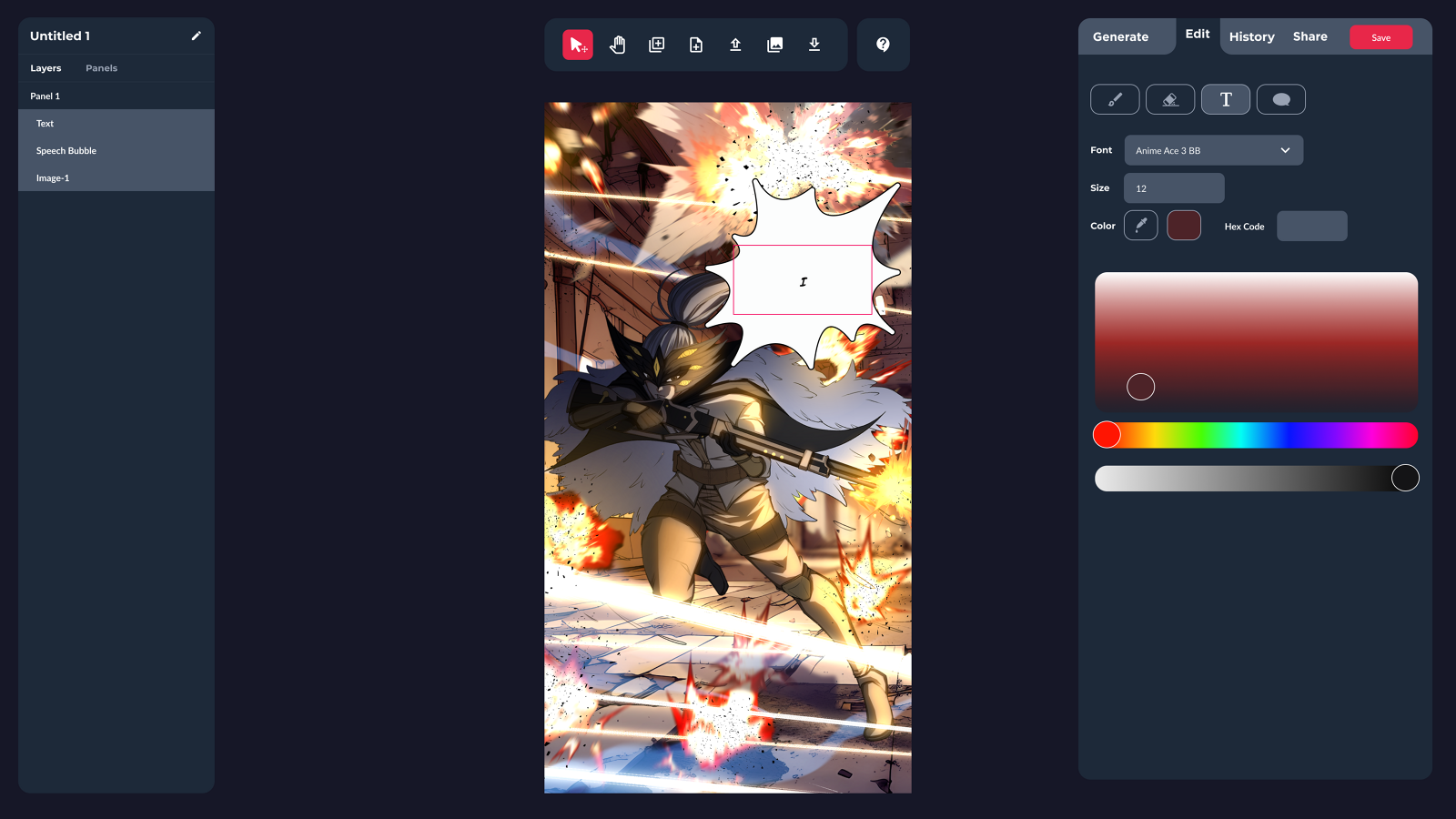
A proprietary tool trained on VoyceMe's own dataset, positioned as ethical because the training data was theirs rather than scraped. Two audiences at once: professional artists who needed relief from burnout, and readers who wanted to make manga and had no skill to draw it. Those are different products wearing one interface, and reconciling them was the design problem.
Zokio, a Web3 platform
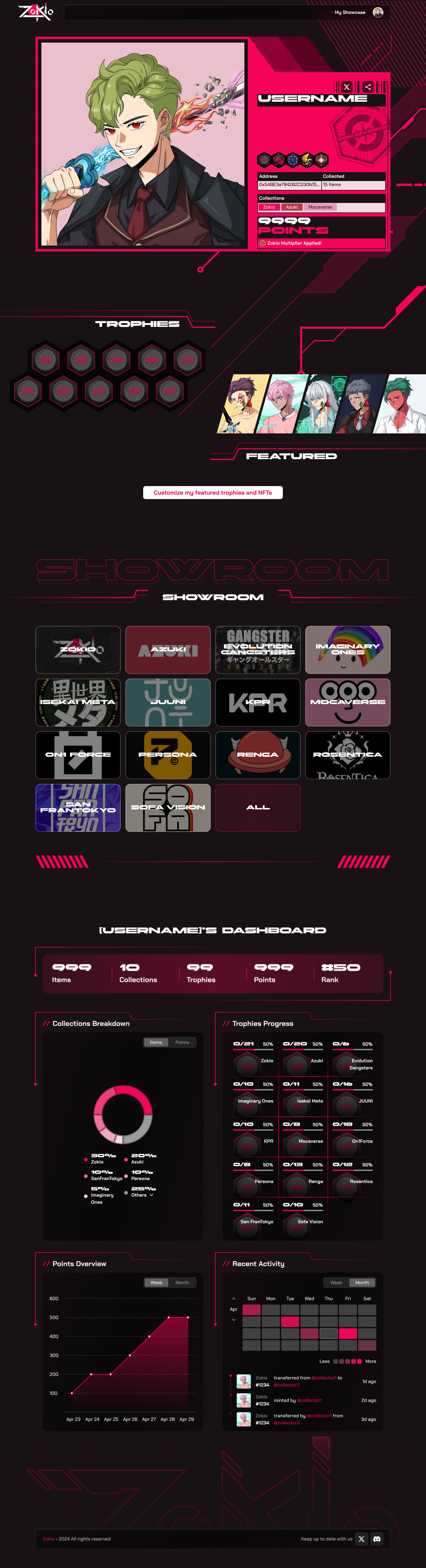
A collection of 6,000 NFTs, and an IP model rather than a drop. Holders could turn a profile picture into a full character inside the Zokioverse content ecosystem, so the asset became a stake in a franchise that could travel across mediums.
Shop
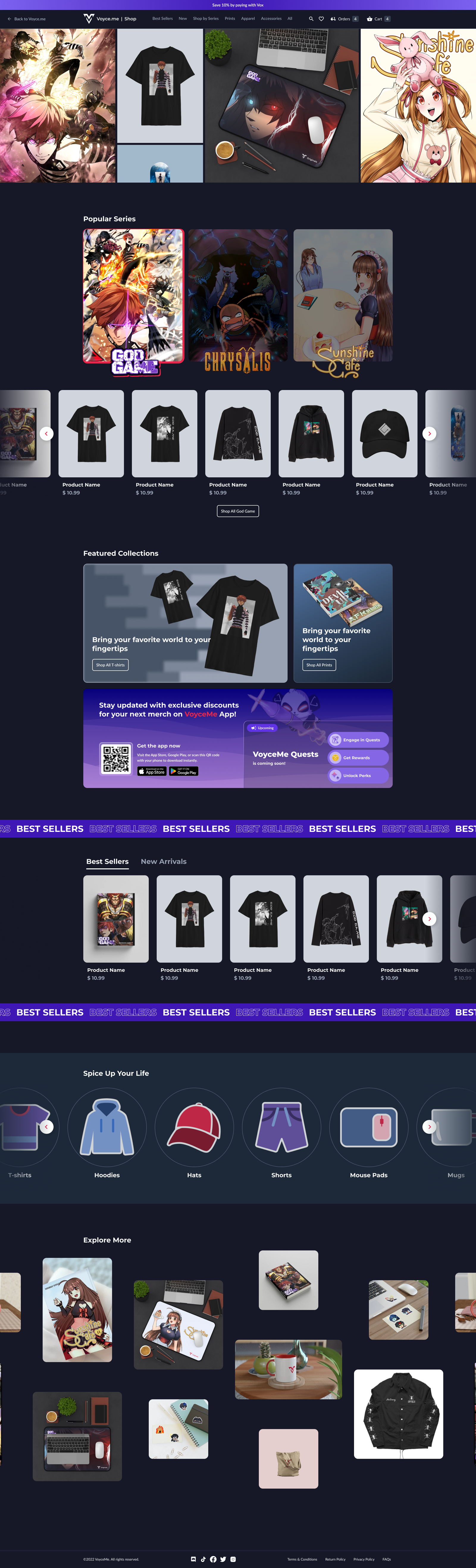
Commerce for merchandise, anime purchases, and creator goods, inside the same platform as reading and creating.
The creation tool, start to finished panel
07 · What I left
behind
A design function that existed: a cadence the team ran themselves, a roadmap tied to a plan leadership had seen and agreed to, a seat for design in prioritization, and three designers who had each had twelve weeks of consistent one to one coaching.
A contract role forces a useful discipline. Anything that only works while you are in the room is not a function, it is a dependency. I optimized for what would still be running after I left.
This was a three month engagement, so post-engagement adoption and retention figures are not mine to claim, and none are stated here.