Shafeen Alam
The only designer on Receiver, taking it from 597K downloads to almost 2 million
Citrix Receiver is the client that puts a company's apps and desktops on any device. I was lead designer for iOS on a cross-functional team, and the person keeping the design coherent across every other platform.
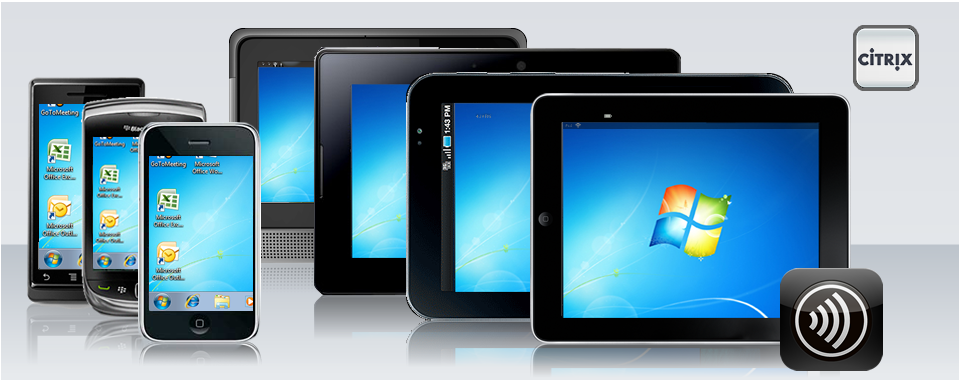
I was the designer behind Citrix's zero day initiative: a promise that Receiver would be on every new device or OS, preloaded and ready to use.
60-second read
Receiver was strong on desktop, but mobile was where its audience was growing and where it was weakest.
One design language across every Receiver platform, with iOS as the place to prove it first.
Lead designer for iOS, design coherence across platforms, fast Flash prototypes, and art direction for iOS developers.
Downloads grew from 597K to almost 2 million. Two design patents were granted.
01 · Owning iOS
I was the lead designer for iOS and the only designer on a cross-functional team. That meant owning the phone and tablet apps end to end, and also making sure Receiver on every other platform still read as the same product.
Downloads were at 597K when I joined. By the time I left, Receiver had almost 2 million, with most of the growth in mobile.
02 · One product, every platform
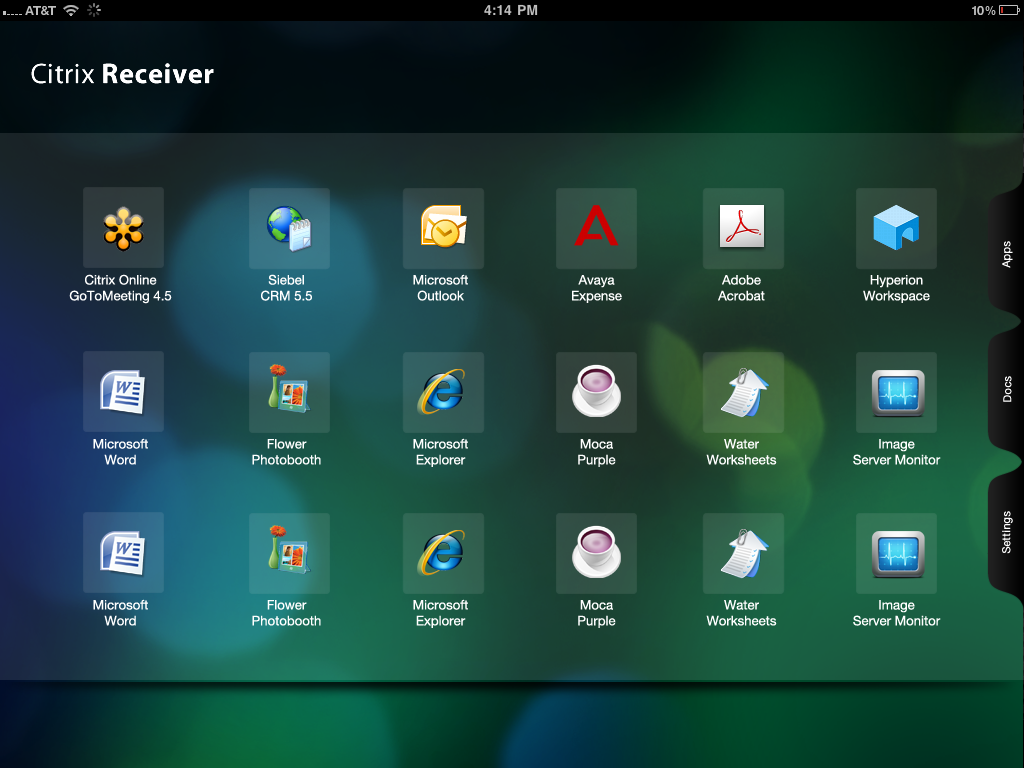
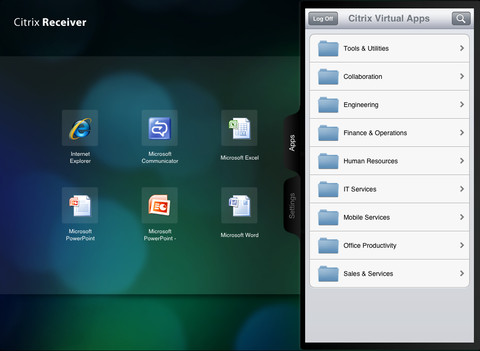
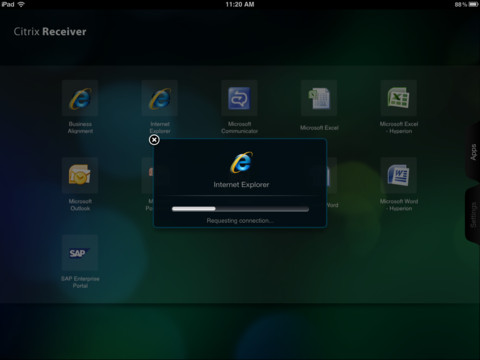
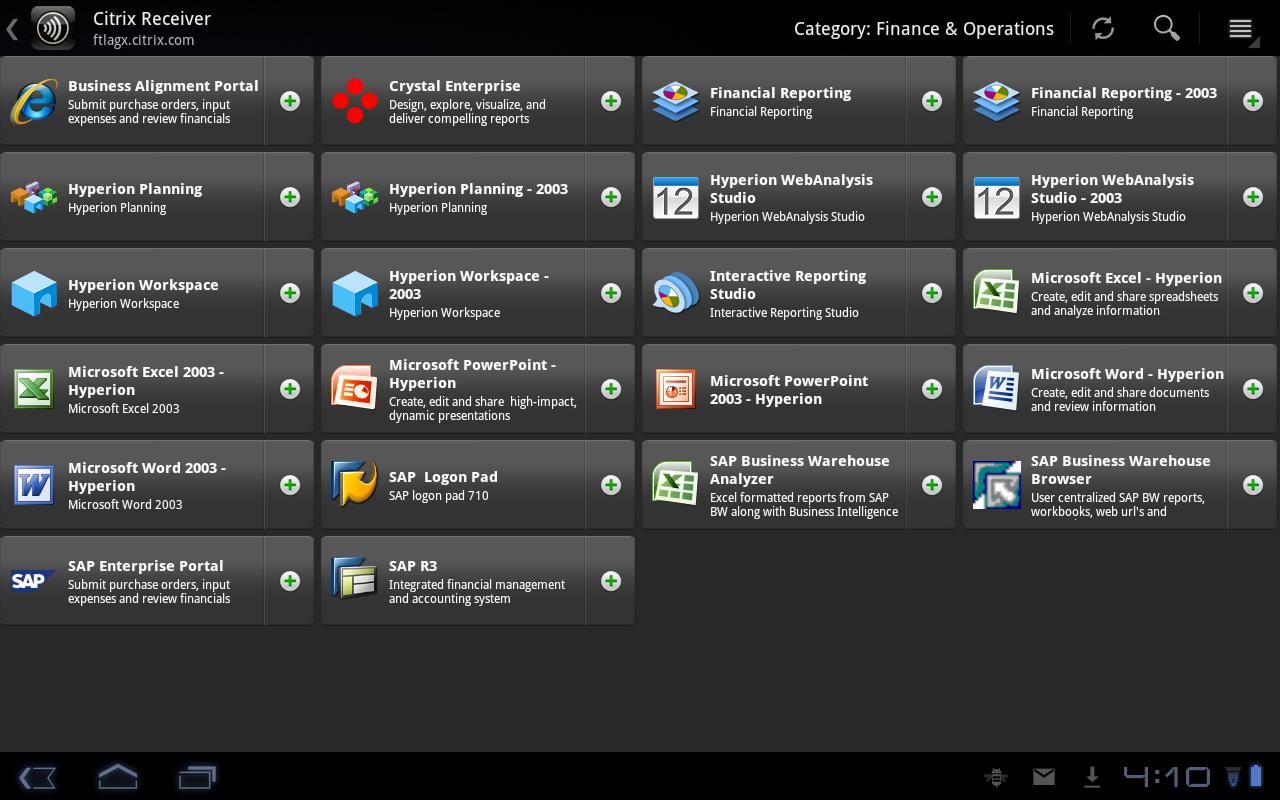
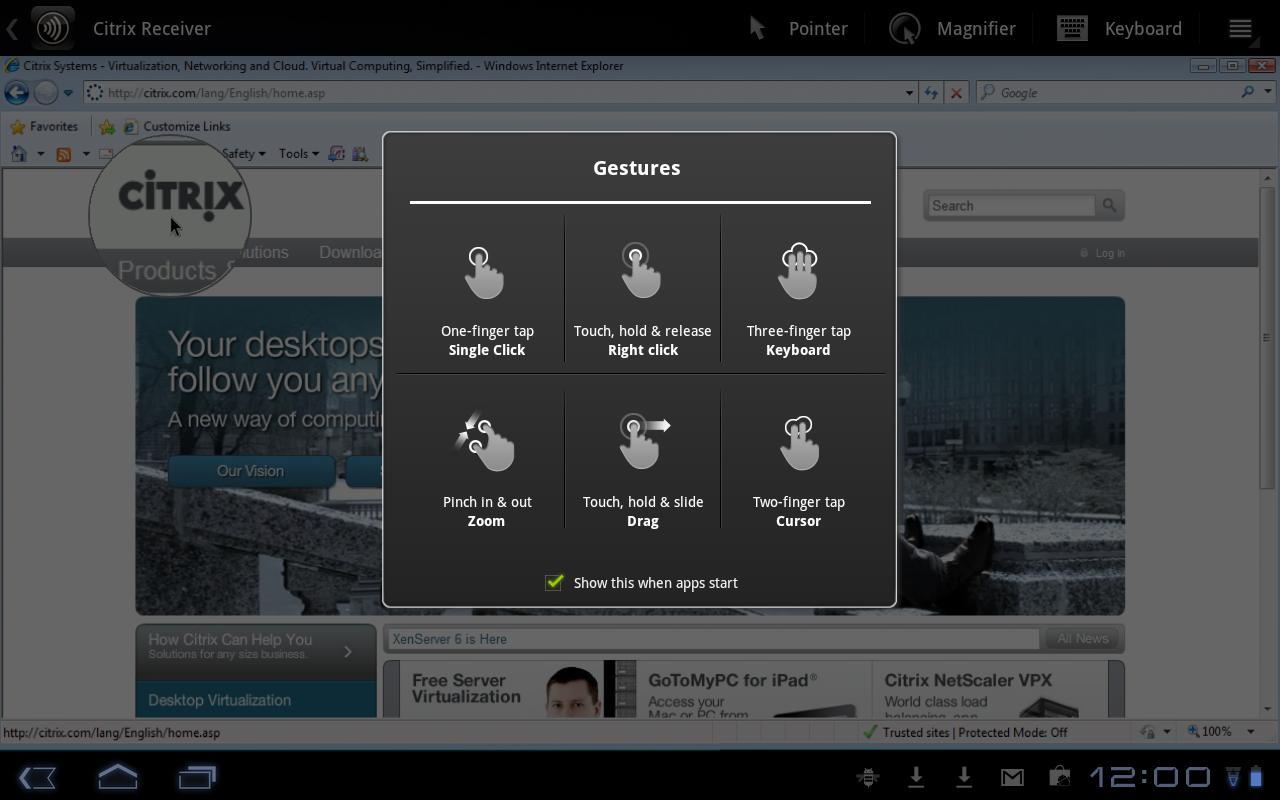
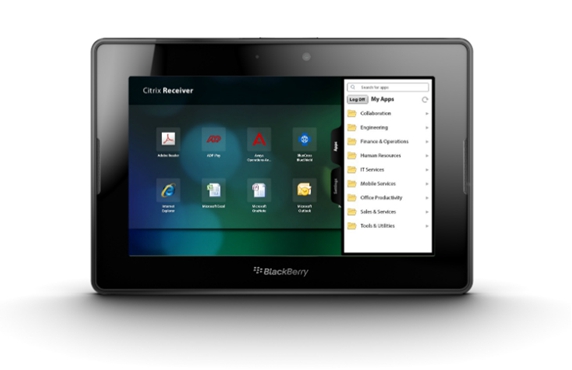
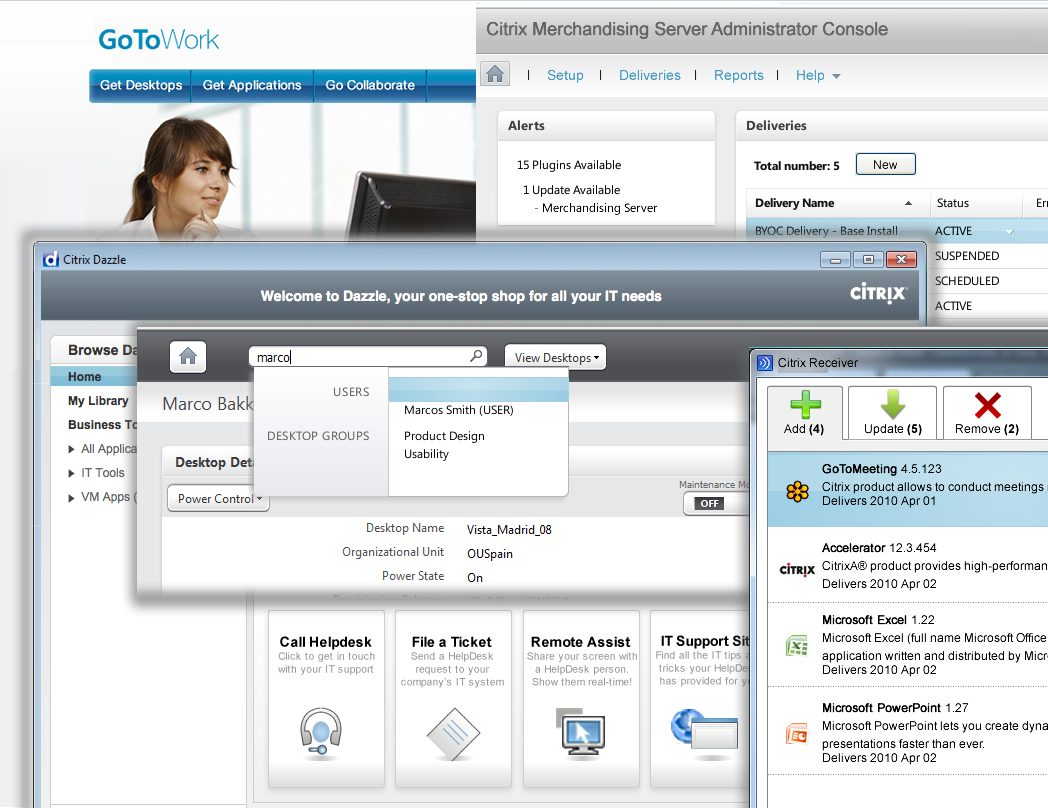
Part of the job was making sure Receiver on Android, BlackBerry PlayBook and the rest still felt like the same product as the iPad app. The same catalog, the same launch pattern and the same help for touch gestures, adapted to each platform rather than copied.
03 · @WorkMail on iPad
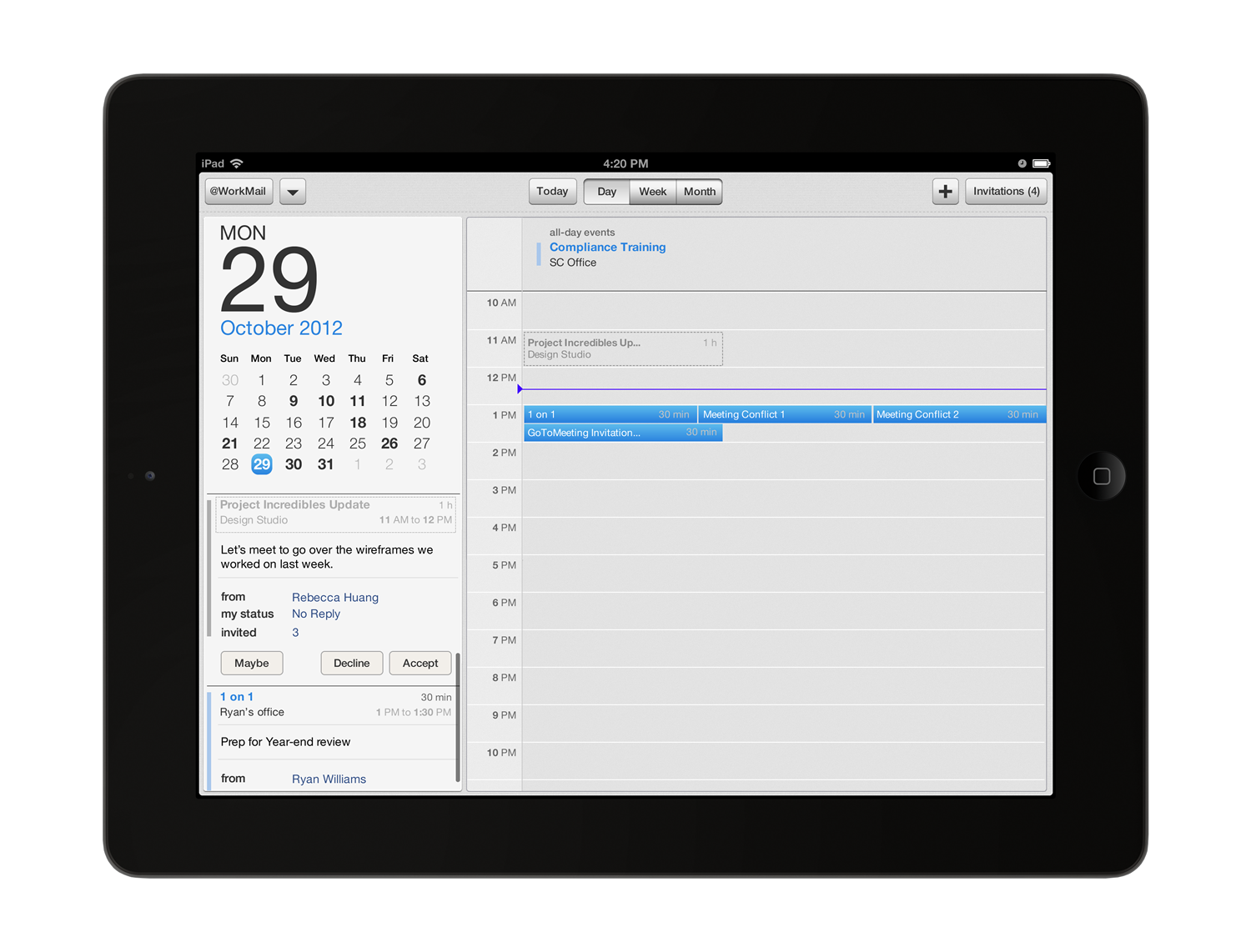
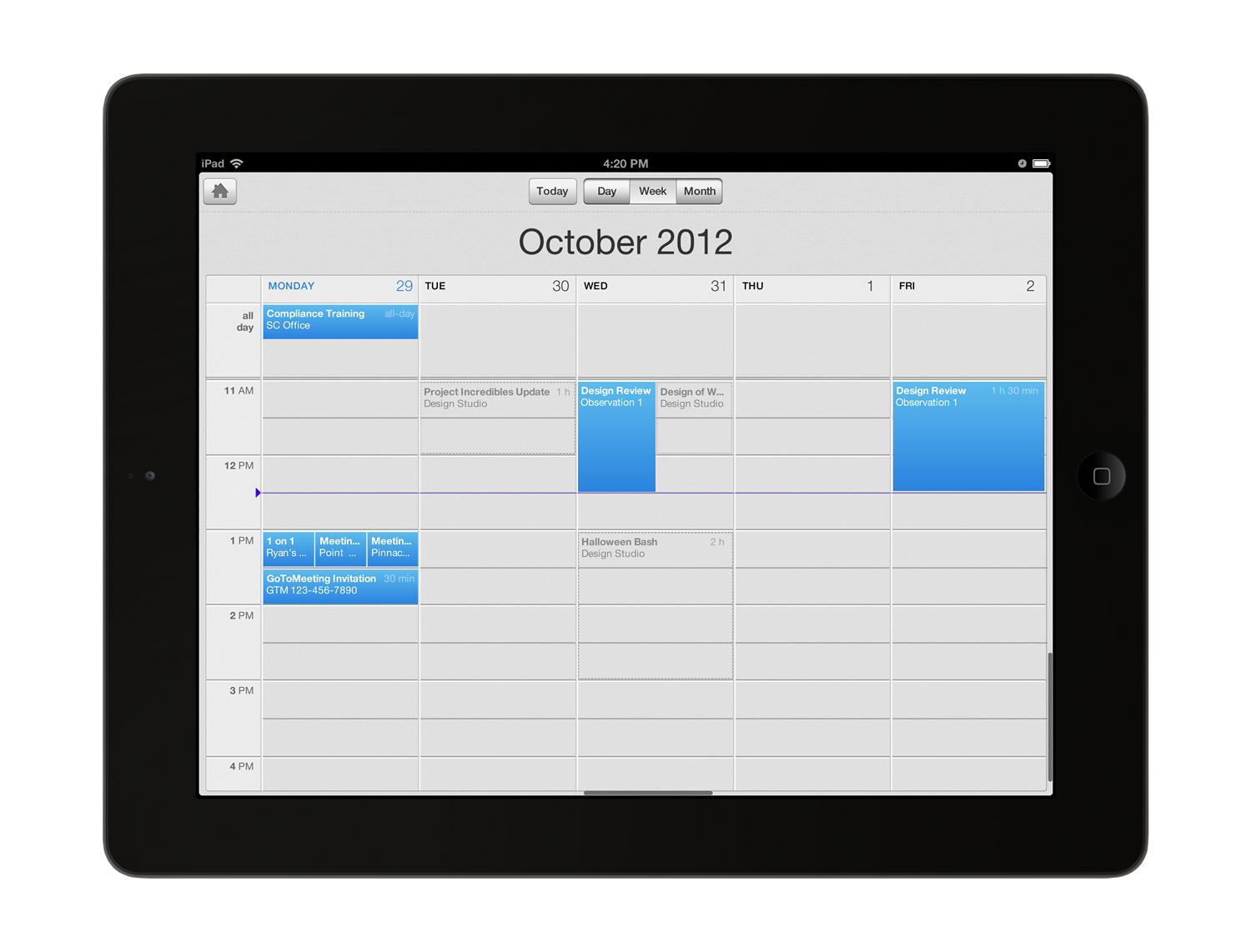
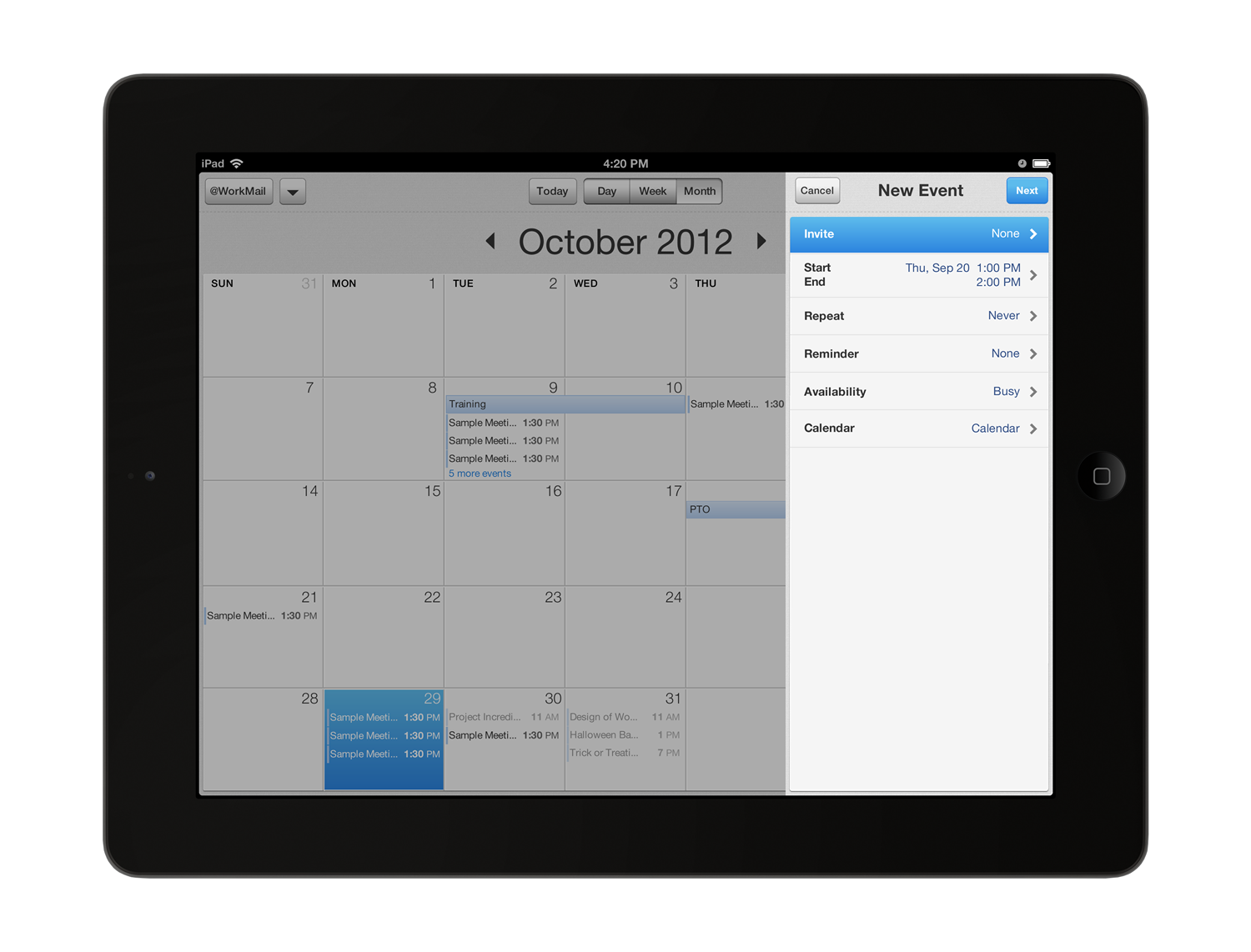
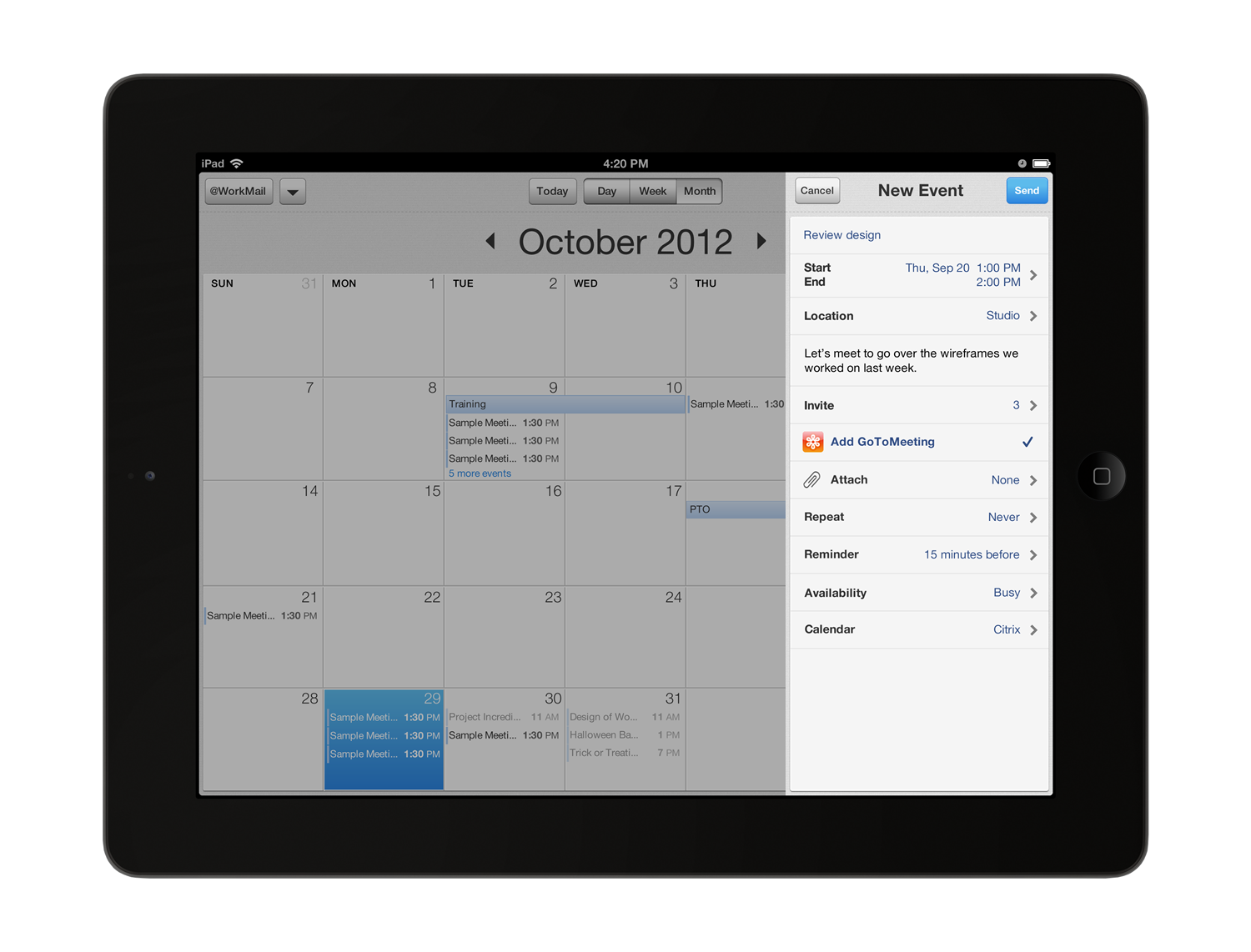
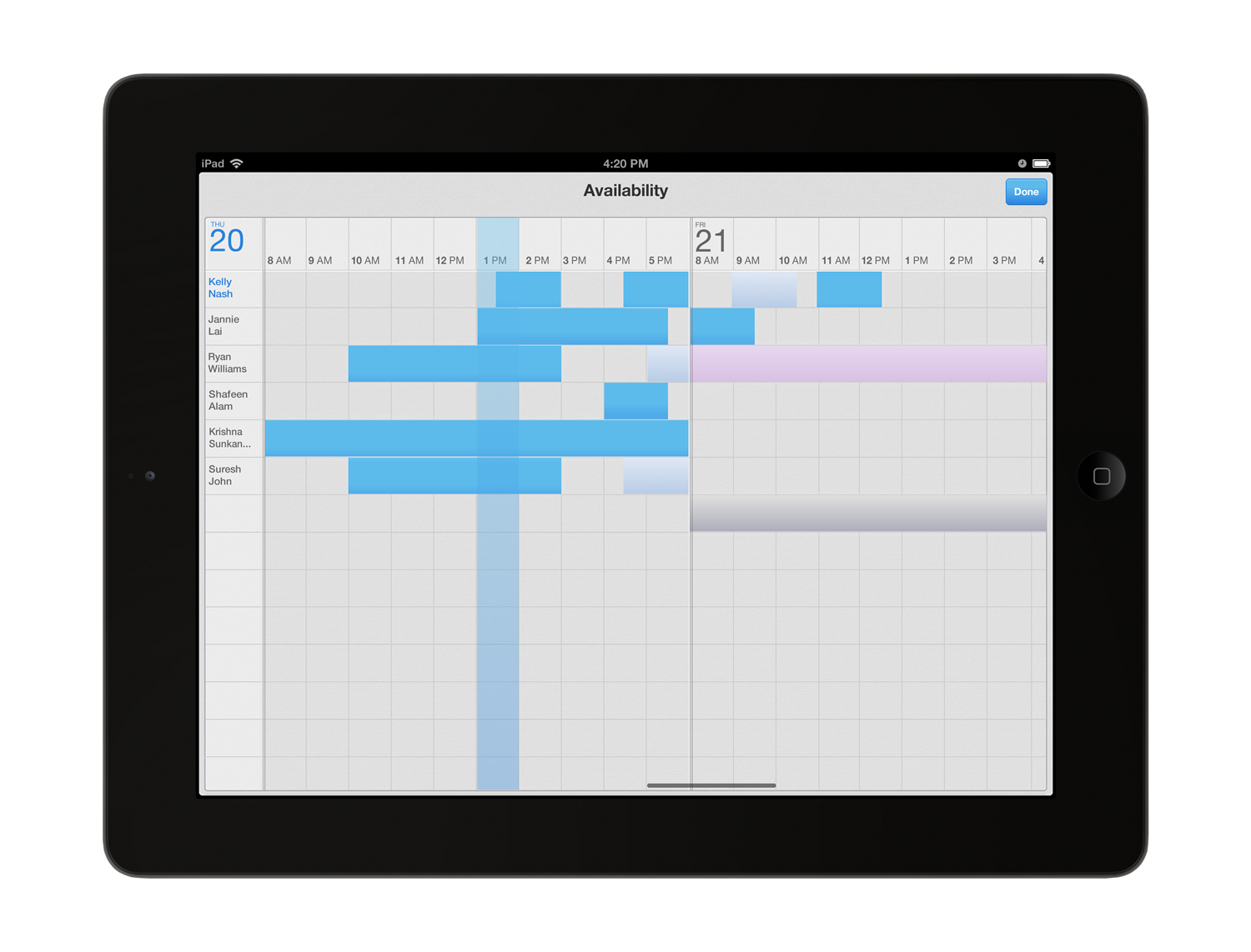
@WorkMail was the secure mail, calendar and contacts app for iPhone, iPad and Android. It sat inside the Me@Work suite, so people could attach ShareFile documents, open links in @WorkWeb and schedule GoToMeeting calls without leaving the secure container on the device.
I designed the iPad experience. The home menu shows what needs attention first: new email, new invites and contacts. The calendar then does the heavy lifting of scheduling.
04 · Mobile enrollment
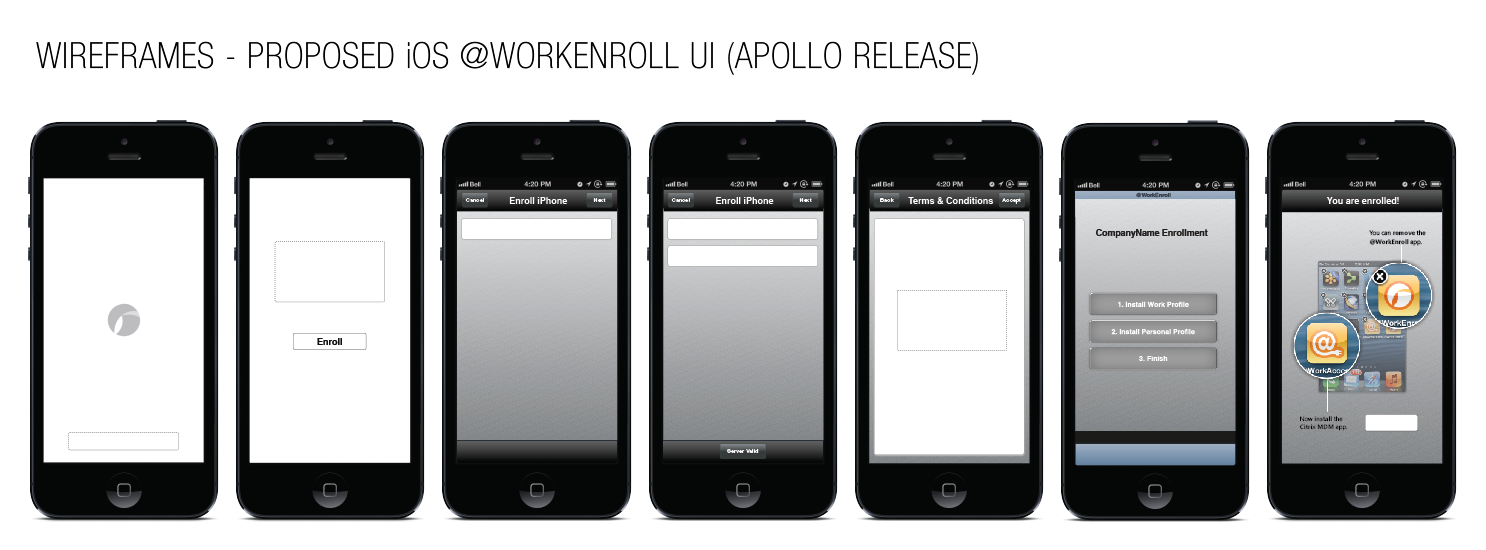
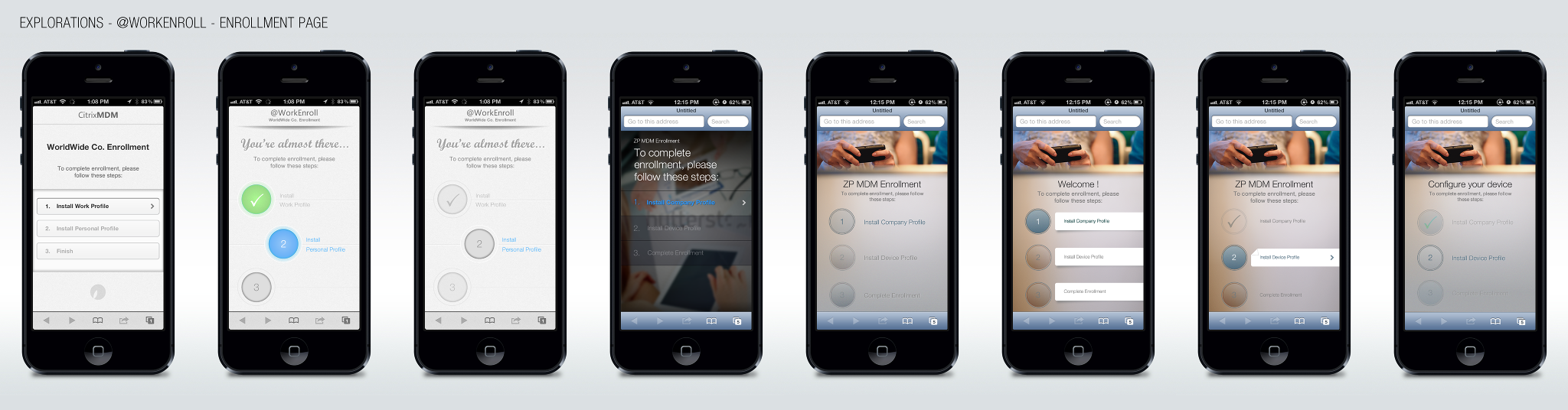
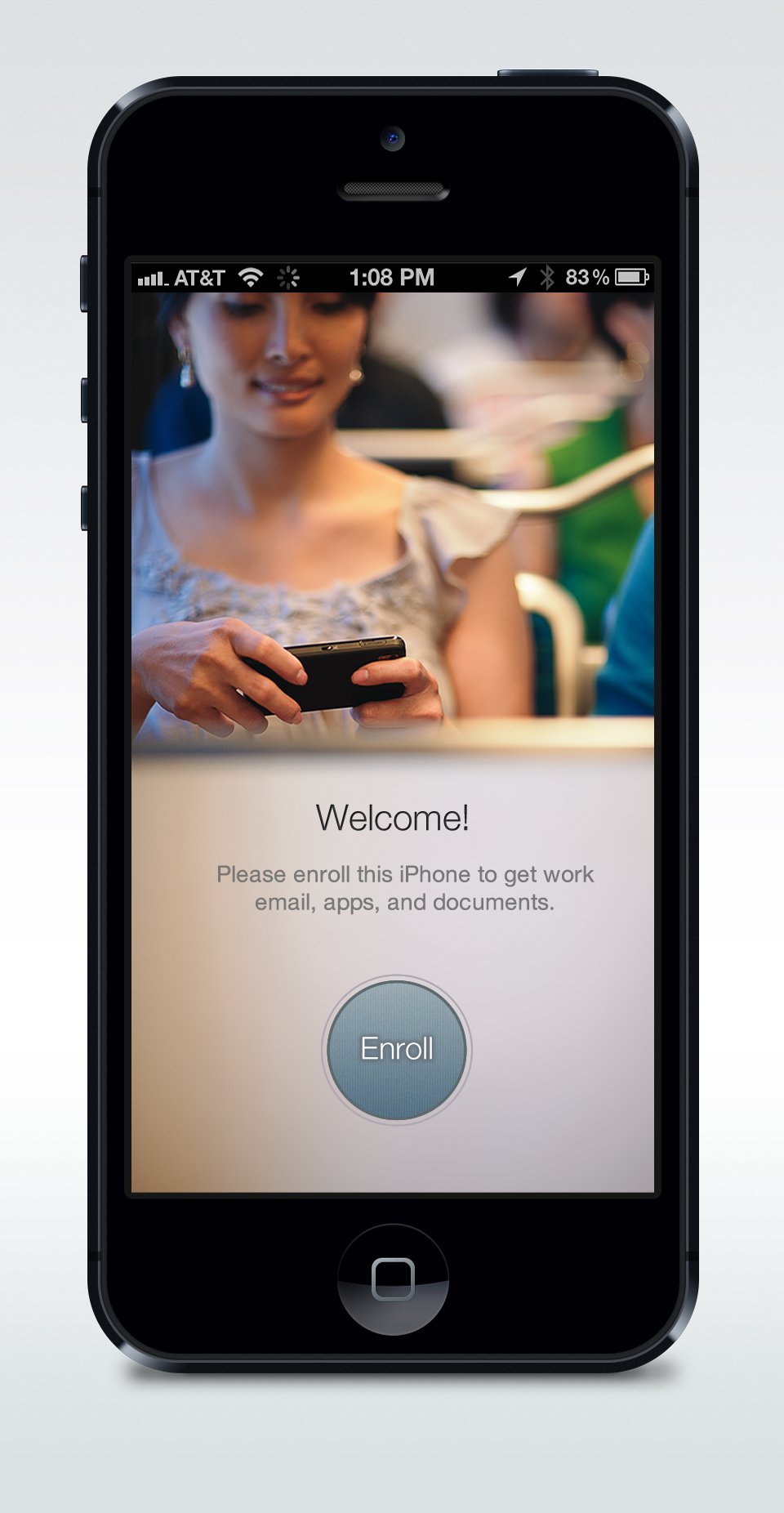
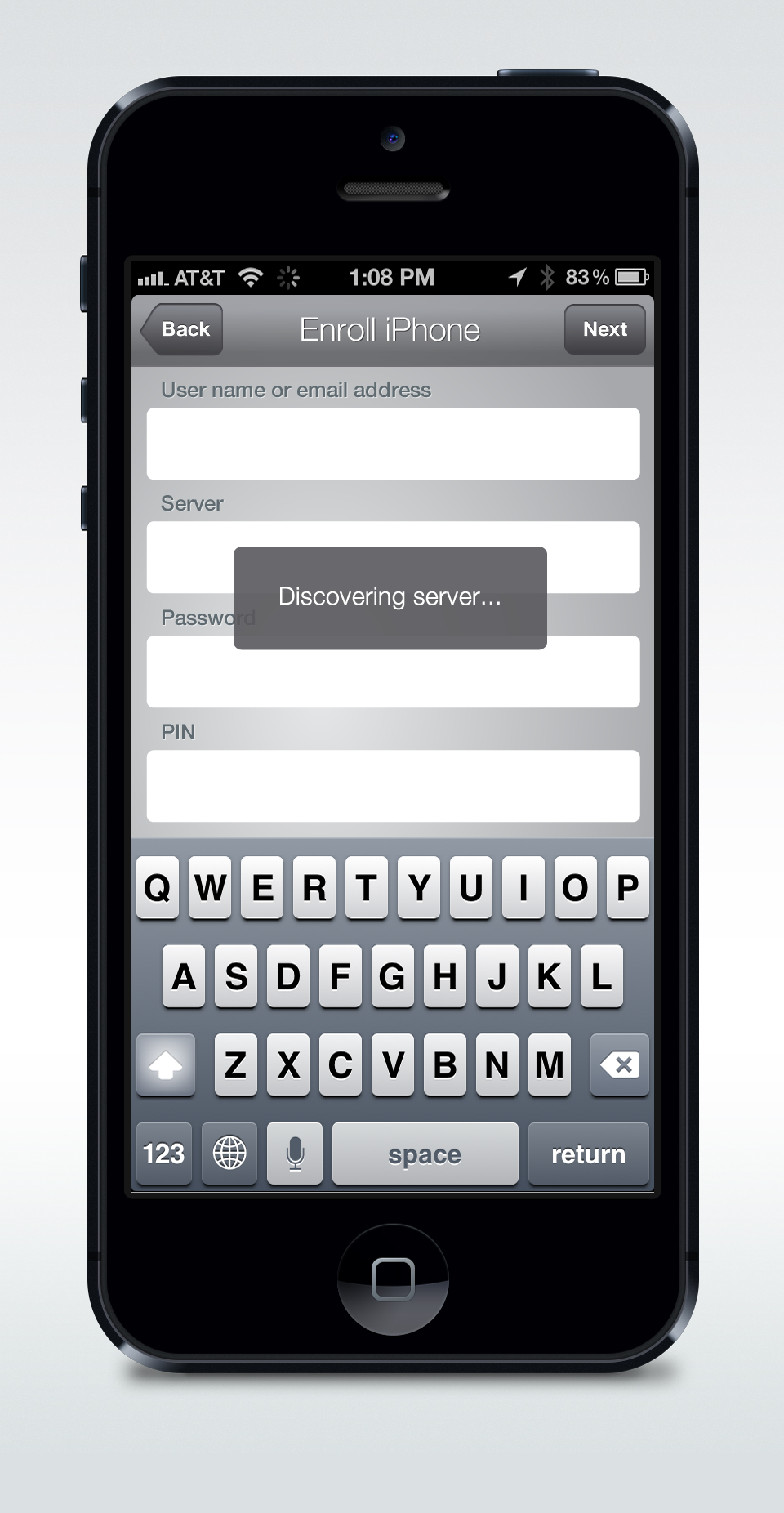
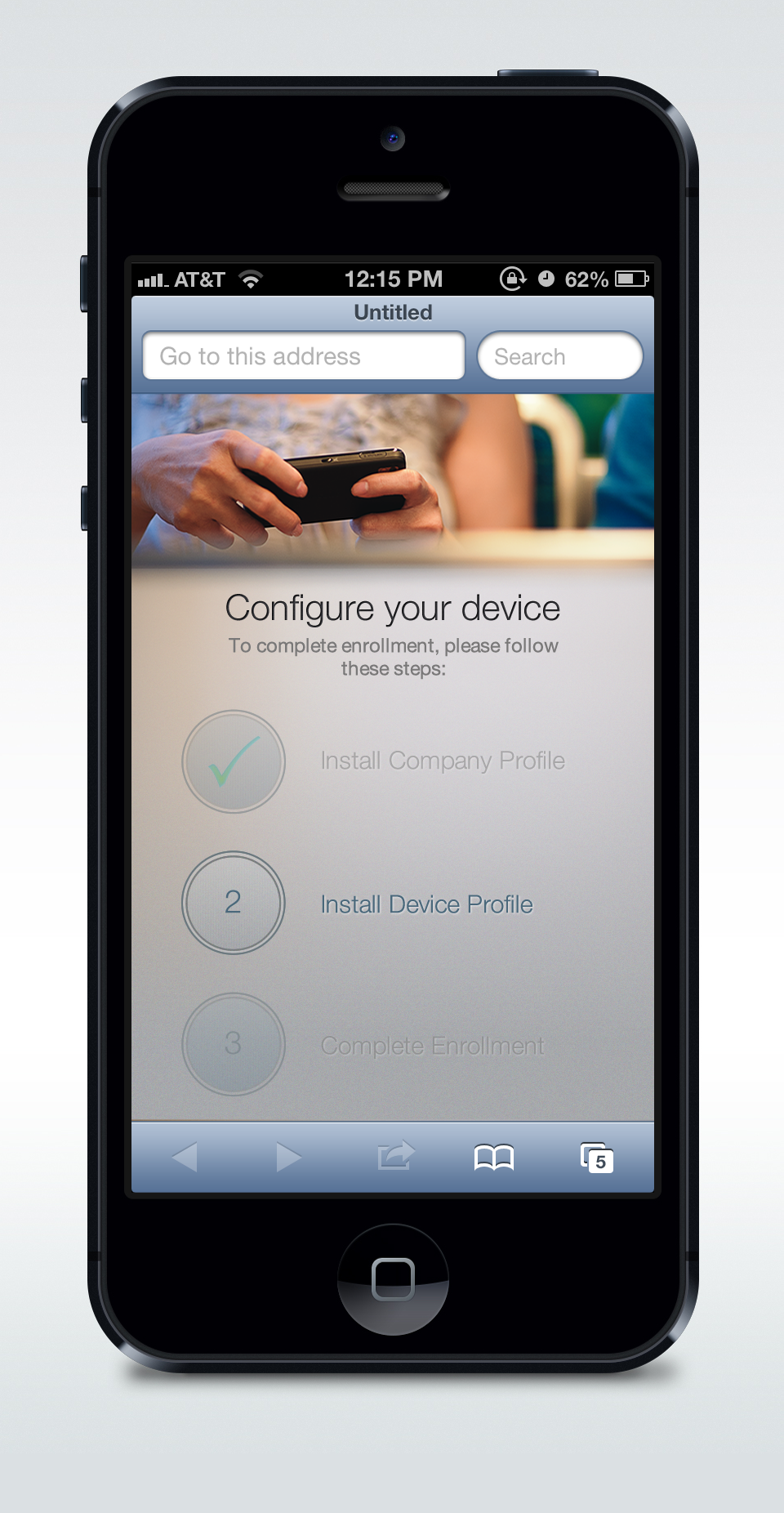
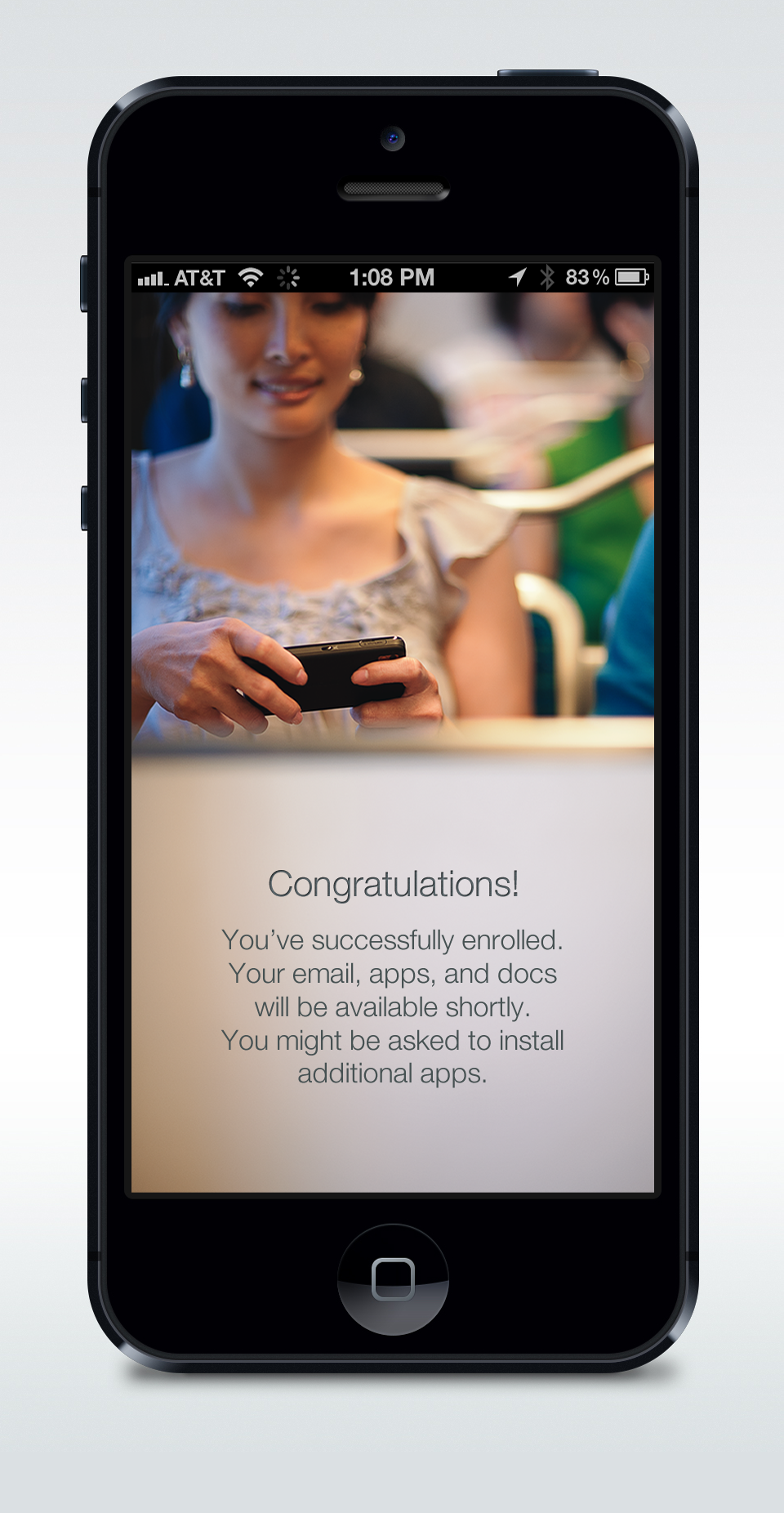
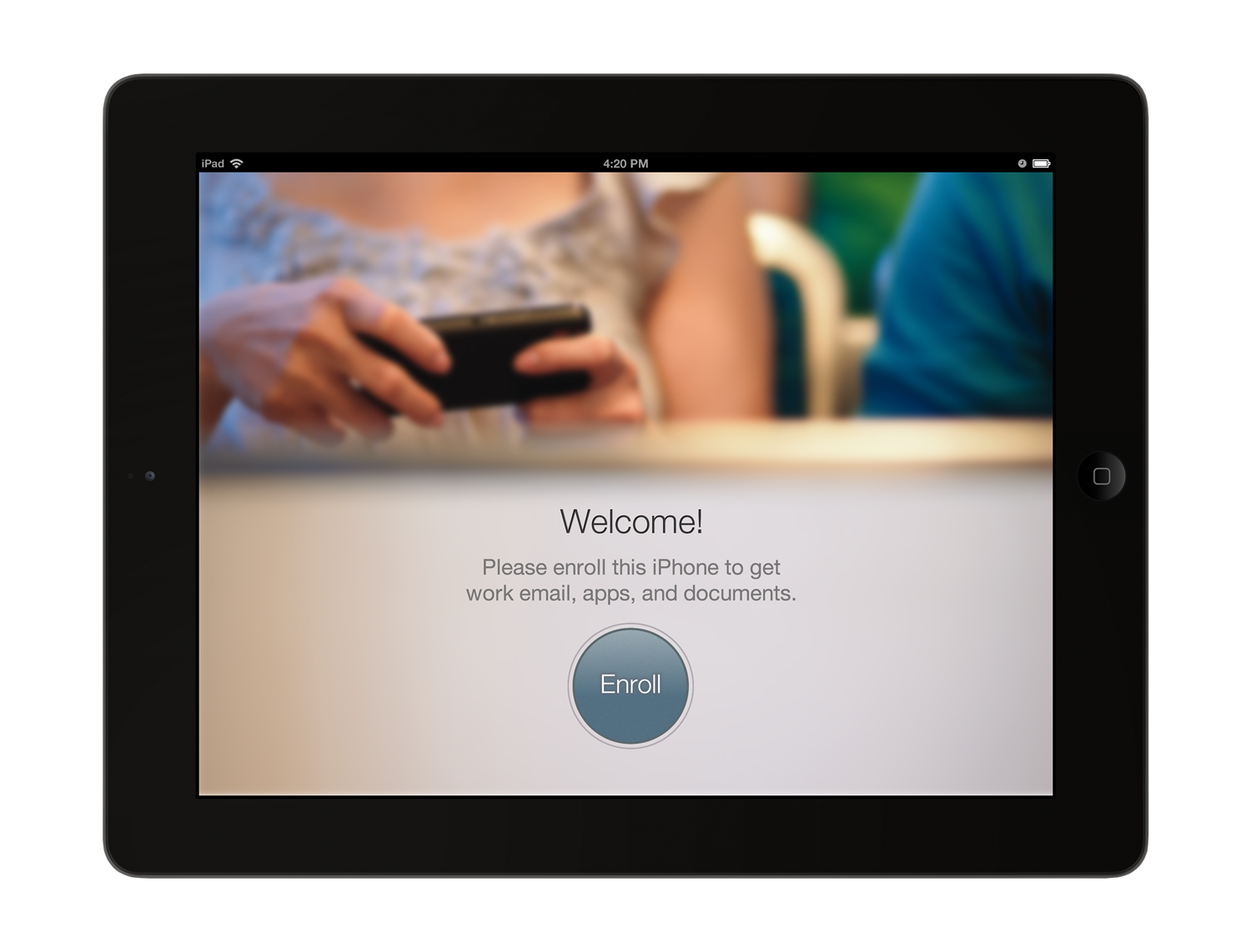
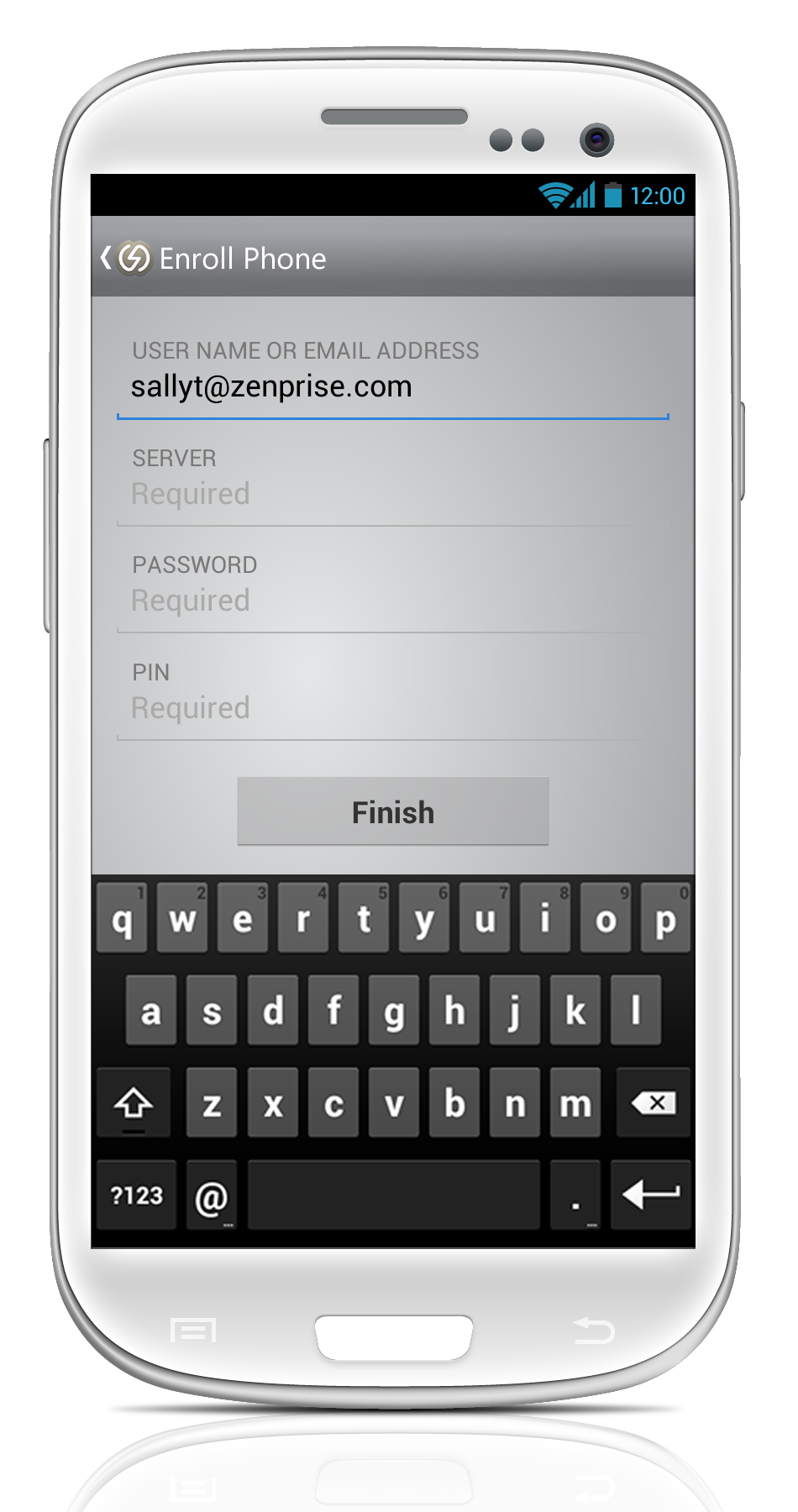
Citrix Mobile Enroll is the mobile device management side of XenMobile. It lets people enroll their own device and gives IT what it needs to manage policy, apps and compliance, including wiping a device that is lost, stolen or out of compliance.
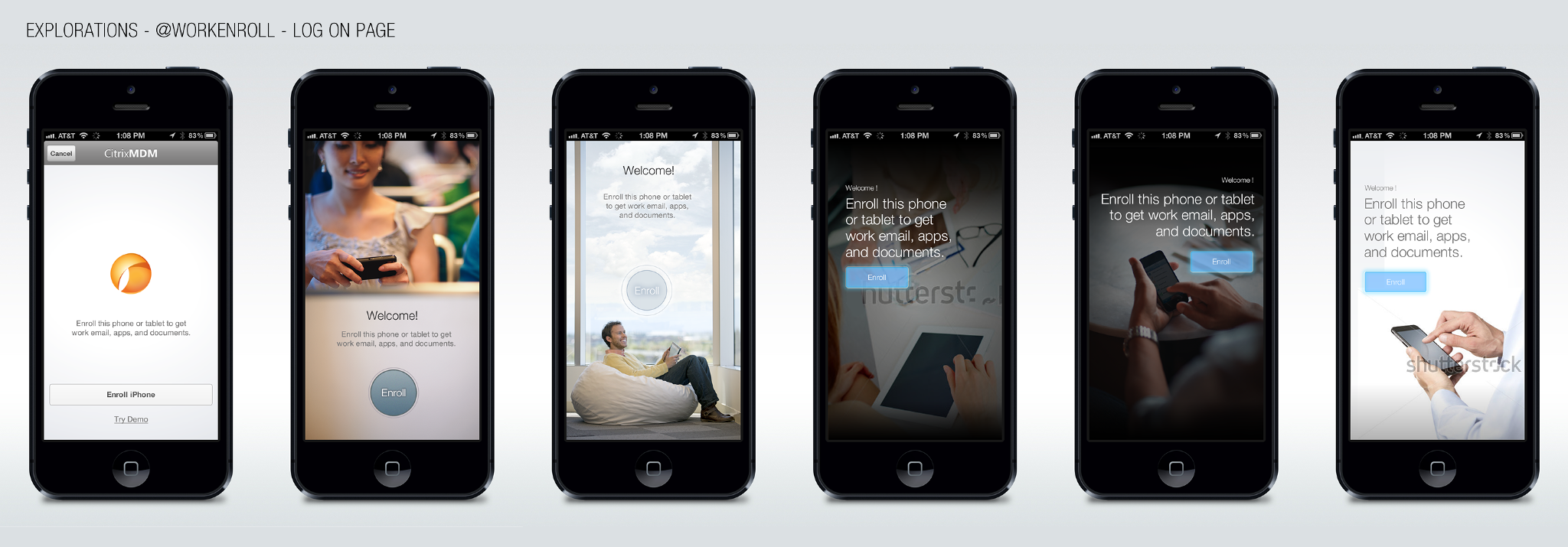
For the person holding the phone, enrollment is the first thing they see and the one step they cannot skip. So the design goal was to make a security process feel like a short, guided welcome. I designed the iOS flow, then carried it to iPad and Android.
05 · Prototypes as arguments
The fastest way to settle a design question was to show it working. I built high-fidelity, functional Flash prototypes in record time, so new features, interactions and interface ideas could go straight into usability testing and stakeholder demos.
Prototypes I presented helped shape the direction of Receiver for iPad and for the other platforms. Assets from that work appeared in Mark Templeton’s keynote at three separate Synergy conferences.
06 · Art direction
I ran art direction across several projects, working closely with the iOS developers. I broke the vision into small, attainable goals, so developers stayed on task and implemented it correctly rather than approximately.
I also worked with other designers and researchers to keep the experience refined, producing visual assets for ongoing product iteration and exploration.
07 · Patents
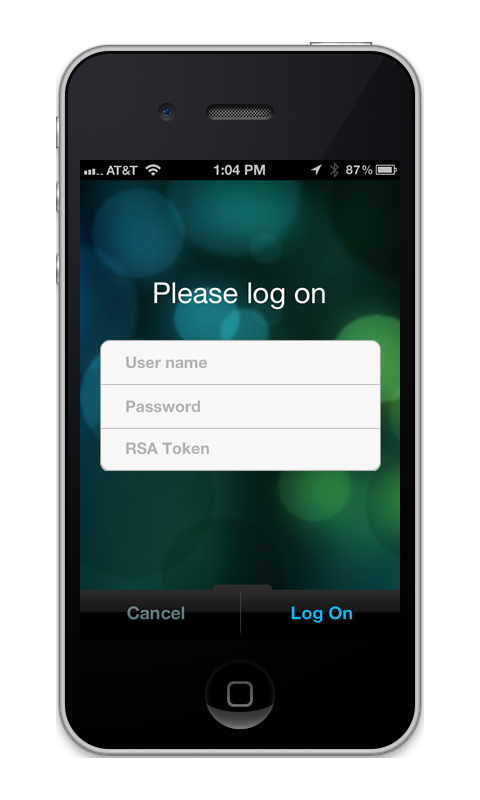
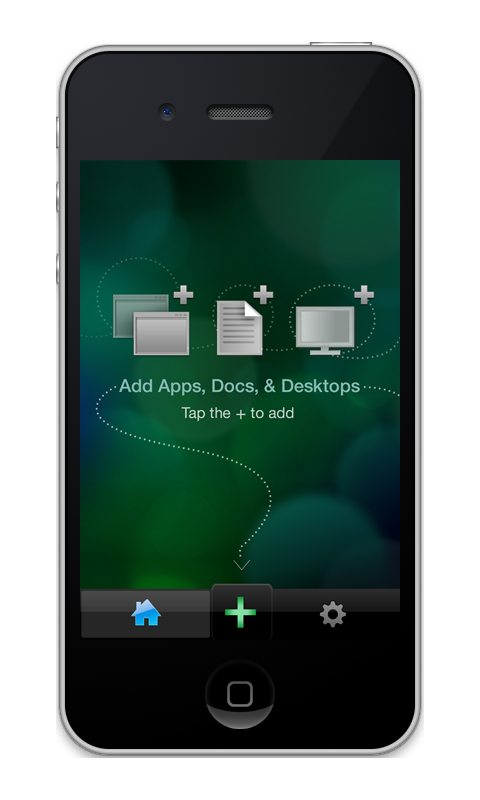
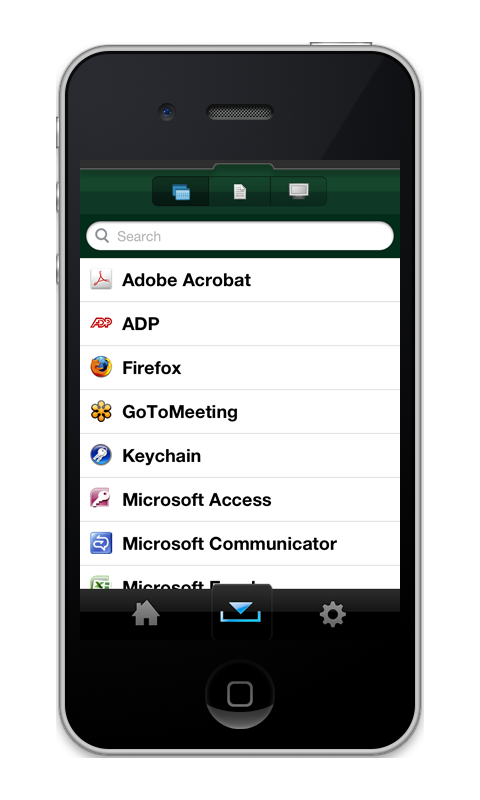
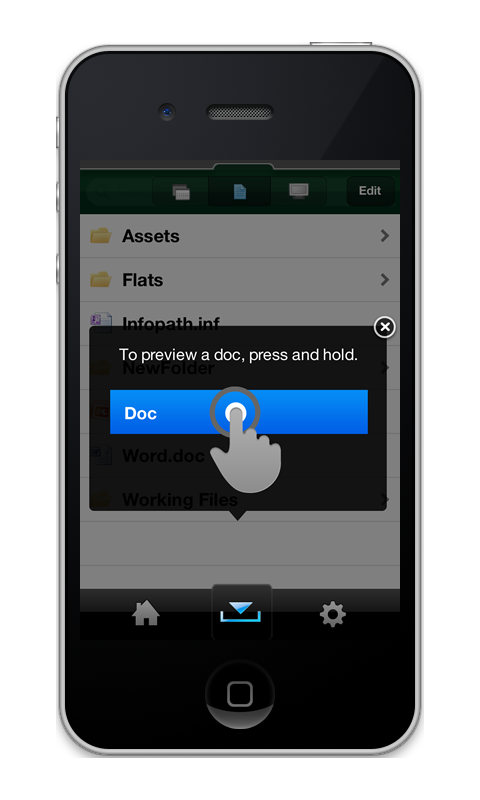
The mobile interface work led to two granted US design patents, both assigned to Citrix Systems.
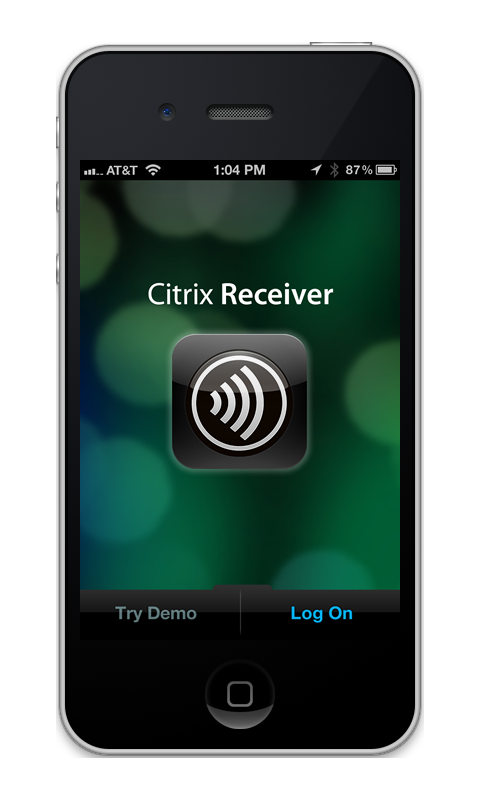
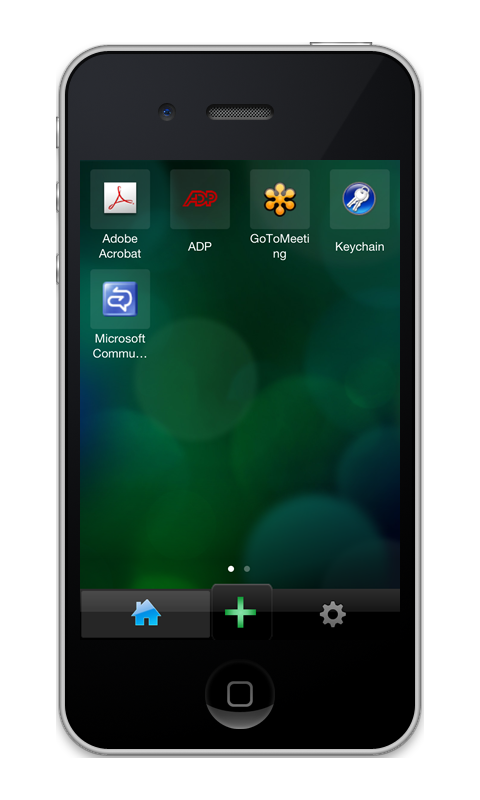
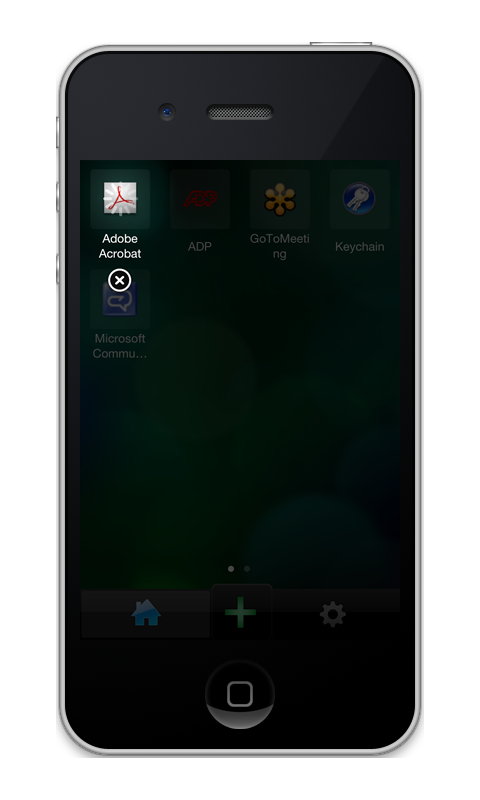
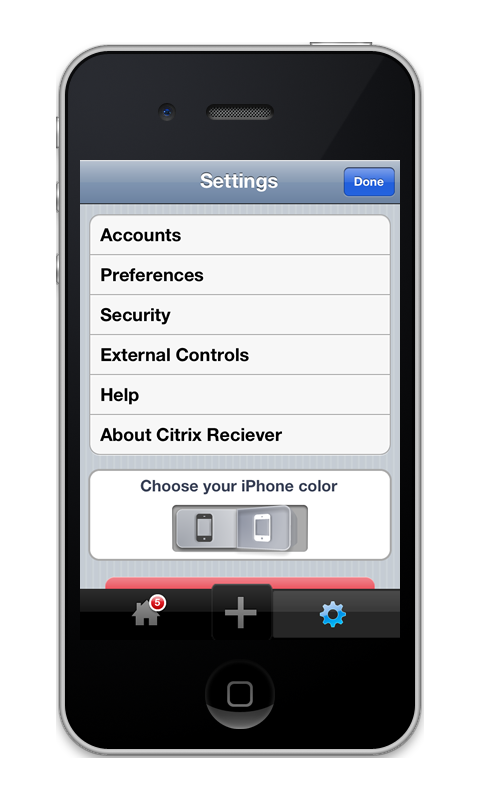
The patents came out of the Citrix Receiver redesign for iPhone, the app they describe. These are the screens.
08 · Takeaways
One designer, every platform, almost two million downloads.